Review – Muppets Most Wanted (2014)

Directors: James Bobin

Starring: The Muppets, Ricky Gervais, Tina Fey, Ty Burrell

Muppets Most WantedMuppets Most Wanted, the follow up to the Muppets’ triumphant big screen return in the 2011 film The Muppets, opens with a very self-aware musical number titled, “We’re Doing a Sequel.” “We’re doing a sequel. That’s what we do in Hollywood, and everybody knows that the sequel’s never quite as good.” As well as being the catchiest song in the film, it also, unfortunately, proves slightly prophetic.

The movie picks up where the last one left off. The Muppets return show has been a great success, the Muppet theatre has been saved and now they have to decide what they are going to do next. The forebodingly named Dominic Badguy suggests they make the most of their moment by going on a world tour. So with Dominic as their new manager, the Muppets head out on the road. But, surprisingly, Mr. Badguy isn’t all above board. He is actually the world’s second most wanted thief, and he is in cahoots with the world’s first most wanted thief, Constantine. Constantine is the world’s most dangerous frog and also just happens to be a dead ringer for Kermit. The old switcheroo is pulled and Kermit finds himself incarcerated in a Siberian Gulag while Constantine fronts the Muppets, with the tour around Europe serving as a front for he and Dominic to pull a series of high profile burglaries.

The Muppets was a brilliant film (it made my top ten of 2012). A vibrant, joyful movie, even in returning to these old, much loved characters it seemed to find a sense of freshness. At its heart was an incredible and overwhelming affection for these characters. In contrast, Muppets Most Wanted feels like a sequel, a more cynical exercise designed to exploit previous success.

Jason Segel, as both a co-writer and actor, was the driving force in getting the Muppets back on the big screen, but he was not involved in this sequel and his presence is missed both on and off screen. He and Amy Adams brought a sweetness and innocence to the human characters in the first film. They felt appropriately Muppety. Ricky Gervais, Tina Fey and Ty Burrell (who spends the whole movie doing a bad Inspector Clouseau impression) are all gifted comic performers, but none of them have that same quality and as such you don’t feel the same investment in the movie’s human characters.

There are still plenty of laughs. Muppets Most Wanted has the typical Muppets combination of high brow and quite simple humour. One minute there will be an allusion to Ingmar Bergman’s The Seventh Seal in which we see a black and white scene of the Swedish Chef playing a game of chess with the grim reaper, the next you’ll be giggling at the fact none of the Muppets recognise Constantine has replaced Kermit, despite his thick Russian accent and his continually getting all their names wrong. There are also cameos a plenty. Lady Gaga, Danny Trejo, Puff Daddy, Salma Hayak, Stanley Tucci, Tom Hiddleston, James McAvoy, to name but a few. Some of them are so brief that you almost miss them. The pick of them though is Josh Grobin, who is merely a disembodied singing voice coming from an isolation cell at the Gulag

Bret McKenzie of Flight of the Concords is back as the songwriter. A few of the songs are quite good – notably the aforementioned “We’re Doing a Sequel,” Tina Fey’s big number introducing Kermit to prison “The Big House,” and the finale “Together Again” – but none quite reach the heights of his effort the first time around for which he won an Oscar.

While the Muppets themselves remain such loveable and fun characters that they are always worth seeing, the joyous vitality and exuberance of the previous film is just not there this time around and as a result Muppets Most Wanted falls a bit flat.

Rating: ★★☆

Review by Duncan McLean

Have you seen Muppets Most Wanted? Leave a comment and let us know what you thought.

Review – The Lego Movie (2014)

Directors: Phil Lord, Christopher Miller
Starring: Chris Pratt, Elizabeth Banks, Will Ferrell, Will Arnett, Liam Neeson, Morgan Freeman, Alison Brie

Lego MovieThe Lego Movie marks the latest step in the recent diversification of the Lego Group, producers of everyone’s favourite colourful, interlocking construction toys. The last decade-and-a-half has seen them produce a series of best-selling video games and DVDs, but a $60 million motion picture backed by Warner Brothers represents arguably their most ambitious step yet. However, rather than feeling like a film made by a toy company, Phil Lord and Christopher Miller, the writer/directors behind Cloudy with a Chance of Meatballs, have delivered a film that is surprisingly clever, creative and funny.

The Lego world is under the control of the tyrannical Lord Business. Business likes logic and order. He separates the Lego world into different realms, keeping the city of Bricksburgh separate from the Old West, Pirate Cove, Clown Town and the rest. He encourages people to follow the instructions and stifles creativity. But there is a prophecy that tells of the Special, “the most talented, most interesting and most extraordinary person in the universe,” who will reunite the Master Builders and remove Business from power. Somehow, the Special turns out to be Emmett, a simple, lonely construction worker from Bricksburgh. He is identified by the spunky heroine Wyldstyle who takes him to meet the Master Builders so they can prepare for their assault on Lord Business. Oh, and of course Emmett becomes quite smitten with Wyldstyle. But she has a boyfriend… and he’s Batman.

The Lego Movie is all about imagination, both in its form and its content. Visually, the film presents us with a world in which everything is made from Lego. And when I say everything is made from Lego, I mean everything. Buildings, vehicles, landscapes, water, fire, all Lego. But rather than this limiting the scope of the film, it makes it entirely limitless. The internal logic which guides the film is that of a child’s imagination. Rather than being kept separate and adhering to real world story logic, the different realms of the Lego world intermingle resulting in an amazingly diverse story where our characters include Batman, cowboys, the cast of Star Wars, Abraham Lincoln, pirates, Gandalf, Michelangelo (both the Renaissance artist and the ninja turtle), space men and Shaquille O’Neal.

A fun, irreverent adventure that feels a bit like Toy Story meets Inception or The Matrix, the film’s narrative reinforces this focus on imagination and individual creativity by taking its lead from the very toys which inspire it. Yes, Lego comes with instructions but the real fun is to be had when the instructions are thrown out and your imagination takes over. So while Lord Business desires order and conformity, our heroes are the Master Builders whose creativity enables them to see the potential of their surroundings, enabling them to dismantle the world around them to build something new.

The Lego Movie is magnificently animated by the team from Australian animation house Animal Logic. The animation, while clear and vibrant, has a slightly clunky quality to it which works perfectly with the limited pliability of Lego figurines. This animation is then complemented by a strong voice cast including Chris Pratt, Will Arnett, Elizabeth Banks, Morgan Freeman, Liam Neeson and Will Ferrell. You get the impression that these funny people have been given a little bit of freedom in their characterisation, so while the film is very much G-rated in its content, the humour has the same patterns and rhythms of today’s more successful comedies.

With creativity and originality in mainstream animation appearing to have plateaued over the last couple of years, The Lego Movie feels fresh and exciting. Clever, funny and with enough heart to prevent it from being a cynical product promotion, it is possibly the best animated feature since Toy Story 3.

Rating: ★★★★

Review by Duncan McLean

Have you seen The Lego Movie? Leave a comment and let us know what you thought.

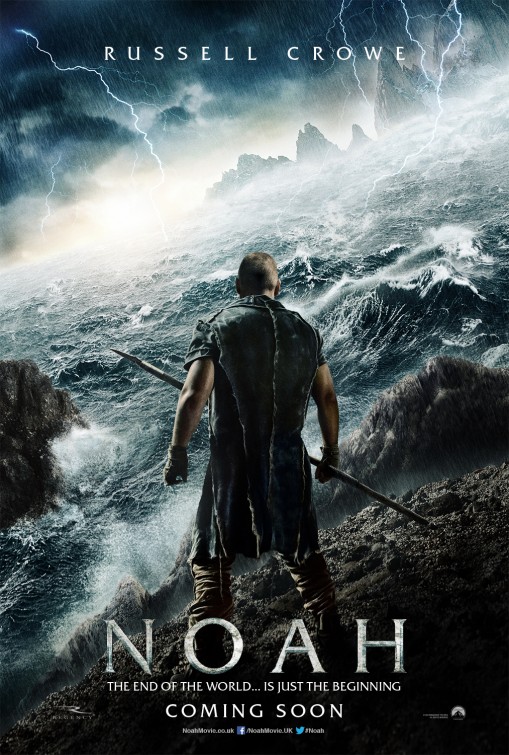
Review – Noah (2014)

Director: Darren Aronofsky
Starring: Russell Crowe, Jennifer Connelly, Emma Watson, Logan Lerman, Ray Winstone, Douglas Booth, Anthony Hopkins

NoahDarren Aronofsky is one of contemporary filmmaking’s true auteurs. A unique and interesting cinematic voice, when it was announced that he would be following up his surprise hit Black Swan with an adaptation of the story of Noah’s ark, a story which had apparently fascinated him since his childhood, there was little doubt we were going to get a film which was unlike any depiction of this story we had seen before.

Noah, is an audacious and bold piece of filmmaking, and while uneven it is more ambitious than most films which draw on Biblical stories, which tend to play it safe. The film presents the story of Noah not as a Biblical history, but rather as a mythology – a pre-historic great flood mythology is part not only of the Judeo-Christian tradition but many of the world’s religions. As such, the film takes on an aesthetic that is more akin to the fantasy genre than the historical epic. This is particularly evident in the depiction of ‘the Watchers,’ Aronofsky’s take on the Nephilim (fallen angels mentioned briefly in the Genesis text), which are shown as giant, Ray Harryhausen-esque rock creatures.

As is to be expected, the film has been attacked by some conservative Christian circles for its lack of Biblical accuracy (as is also to be expected, many of its most vocal opponents will openly admit they have not seen the film that has so offended them). They do have a point. At times Noah bears little resemblance to the Genesis account. Aronofsky has himself described the film as “the least biblical biblical film ever made.” But it begs the question whether in this situation biblical accuracy matters? Aronofsky’s film is not at all attempting to make a theological statement. It has no evangelistic agenda. It is neither seeking to persuade nor dissuade its viewers of the truthfulness of the story or the authenticity of the Genesis account.

If Noah is evangelistic about anything, it is environmentalism rather than theology. Aronofsky engages with the story of Noah not as a biblical story, but as one of Western society’s foundational narratives. He employs the standard practice of refocusing a well-known story in order to shine a light on a particular relevant issue. Aronofsky’s Noah thus becomes a film about stewardship and dominion. Noah and his family, descendents of Seth, believe humanity is tasked by the Creator – Noah always uses the moniker “the Creator” instead of God, the Lord, etc – to be stewards of creation and they aim to tread lightly on the Earth. “We take only what we need, what we can use,” Noah instructs his children as they pick food from the ground. The rest of humanity, descendents of Cain, whose murder of his brother Abel is depicted by the film as the defining moment of humanity’s corruption, believe the Creator has given them dominion over the Earth and it is theirs to plunder and use. In this film it is as much the way that humanity has treated the creation as it is the way they have treated each other that prompts the Creator to wipe the slate clean and start again.

While not a typical epic, Noah is still an impressive visual experience. The film carefully combines computer generated material with some impressive sets. The ark itself is an imposing structure – a monolithic, wooden box nothing like the traditional boat shape usually represented. All of the film’s animals are computer generated, which isn’t as bad as it sounds. Aronofsky also employs some interesting and arresting aesthetic devices. Noah recounts the creation story to his family, and his words are accompanied with a flickering time-lapse imagery, which is very effective.

Russell Crowe is strong in the title role as a character who is supposed to challenge us. On the one hand, we see him as an honourable figure, one who protects his family in a hostile world and seeks to live a righteous life. He sees a vision from the Creator and he is obedient. Yet as we sit inside the ark with Noah and his family and hear the cries for mercy from those on the outside as the floodwaters rise, we wrestle with Noah’s complicity in this genocide. Then when he comes to doubt the vision he has seen, and question whether it is indeed his family’s responsibility to repopulate the Earth or whether they are simply to shepherd the animals through this period and then themselves die off, he becomes quite a threatening figure to his wife and children, and Crowe is able to convincingly move from powerful guardian to threat. It is a controversial but very interesting characterisation.

Noah has its problems, it is a bit uneven and at times its environmental agenda is overplayed, but you will struggle to find a bolder, more ambitious and thought provoking blockbuster.

Rating: ★★★★

Review by Duncan McLean

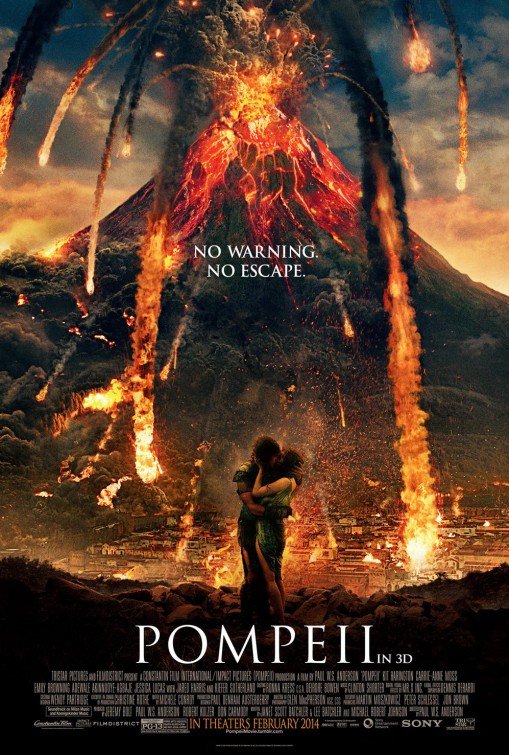
Review – Pompeii (2014)

Director: Paul W.S. Anderson

Starring: Kit Harington, Emily Browning, Kiefer Sutherland, Adewale Akinnuoye-Agbaje, Jared Harris, Currie Graham

PompeiiPompeii, a $100 million, effects heavy, swords-and-sandals disaster movie, is the latest film from director Paul W. S. Anderson. It should be clarified up front that this is Paul W. S. Anderson of Alien vs Predator, Death Race and many a Resident Evil film, not Paul Thomas Anderson of There Will Be Blood, Boogie Nights and The Master, so expectations should be adjusted accordingly.

When his entire village in Britannia are massacred by the Roman army, young Milo is sold into slavery. He grows up to become “The Celt,” one of the most fearsome new gladiatorial talents in the Empire. As such he is taken to Pompeii to fight in the games that are to be staged there. There he catches the eye of a young noblewoman, Cassia, who has been unwillingly betrothed to the Roman Senator Corvus. As Mount Vesuvius erupts and the city crumbles, Milo must fight to save his beloved Cassia.

Pompeii opens with slow, emotive panning shots of the famous Pompeii body casts, people preserved in very human, often tender moments, by the ash from the eruption. These haunting images suggest a level of profundity that the gladiator-cum-disaster movie that follows doesn’t really possess.

From the moment the movie starts we are basically waiting for that enormous mountain that looms over the city to wreak havoc. But the first half of the film is effectively filler as we are made to wait over an hour for that event to occur. In the meantime we are entertained by the occasional well-staged gladiatorial bout, and the screenplay momentarily touches on an interesting area, looking at the dynamics of a relationship between two gladiators who know that at some point they will be required to try and kill each other. But if you are going to make the audience wait this long for the disaster to occur, it needs to be in service of really establishing a connection with the characters, and that is where Pompeii misses the mark. The characters are largely forgettable and the poor-boy, rich-girl love story is one we’ve seen so many times before.

Thankfully, though, the second act is where the film comes into its own. Once the volcano erupts, Pompeii sets a cracking pace and it doesn’t let up for the next 45 minutes, maintaining momentum right through to its completion. It is for these scenes that the film has been shot in 3D and the visual effects are quite impressive and exhilarating. We see plumes of ash, fireballs, lava, earthquakes, even a tsunami. It really is all happening in this horrifying, apocalyptic moment. For a disaster movie, particularly in the age of digital effects, it is so important to get this part right, and the eruption and the destruction of Pompeii really are the strongest scenes in the film.

Pompeii attempts to be Gladiator meets Titanic, but where both of those films succeeded in connecting with audiences on a human level, Pompeii relies solely on its impressive special effects. As such it ends up proving that one plus one can still somehow equal significantly less than one.

Rating: ★★☆

Review by Duncan McLean

Review – Ride Along (2014)

Director: Tim Story

Starring: Kevin Hart, Ice Cube, Tika Sumpter, John Leguizamo, Bryan Callan, Bruce McGill, Laurence Fishburne

Ride AlongKevin Hart has to be one of the hardest working men in show business at the moment. He has a successful career in stand-up comedy, a popular television series in Real Husbands of Hollywood, and numerous film projects in various stages of development. With the buddy-cop movie Ride Along Hart is attempting to make the transition into the realm of the “above the title” movie star.

Hart plays Ben Barber, a security guard in an Atlanta high school and an avid gamer, who has finally been accepted into the police academy. With his life falling into place, he plans to propose to his girlfriend, Angela, but first wants to get the blessing of her protective older brother, James. James is a cop himself, of the lone-wolf variety, and demands that Ben prove himself capable of looking after his sister before he will grant his blessing. So James invites Ben to ride along with him for a day to test him out.

Ride Along fancies itself as a comedic take on Training Day, and the numerous references to the film are obviously intended to make sure the audience draws that connection, but really what we have here is an action comedy in the tradition of Beverly Hills Cop, Lethal Weapon, 48 Hours and Rush Hour… though not quite as good. The action-comedy is a genre we don’t get as much of these days but it is a proven star maker and the ideal genre for someone of Kevin Hart’s talents. In Ride Along Hart is playing that Eddie Murphy role (from back in the days when Murphy limited himself to playing just the one character in each film), that fast talking, energetic, comic character.

If this review seems to be all about Kevin Hart it is because when it boils down to it, Ride Along is all about Kevin Hart. The film is at its best when it puts the progressing of the largely ho-hum storyline to one side and just lets him be the focus. Watching this loud, motor-mouthed but ultimately extremely unqualified character attempting to handle police situations is quite fun. His co-star Ice Cube, on the other hand, is a bit harder to handle. Whether by design or simply through his performance, Cube’s character just comes across as very one note. There is no light and shade, no real character development. What he does do is demonstrate how difficult it actually is to play the straight man opposite the clown.

Ride Along is a very formulaic film, but let’s face it, no one is going along to see this movie hoping to be challenged in any way. Its formulaic nature makes it comfortable, and if you come in with sufficiently low expectations there are some genuine laughs here and there is some fun to be had.

Rating: ★★☆

Review by Duncan McLean

Review – I, Frankenstein (2014)

Director: Stuart Beattie

Starring: Aaron Eckhart, Bill Nighy, Miranda Otto, Yvonne Strahovski, Jai Courtney

I, FrankensteinMary Shelley could never have seen this coming when she created one of the horror genre’s iconic characters back in 1818. In I, Frankenstein her creature becomes the latest classic to be reimagined for the screen via the graphic novel.

Having lived in secrecy for 200 years, Frankenstein’s monster, here named Adam, finds himself in the middle of a centuries old battle between demons and gargoyles. When a demon is killed its soul descends to hell and it can only return to Earth if it can find a living body without a soul. So Naberius, the leader of the demons, sees in Adam the secret to reanimating corpses into soulless vessels, and therefore the key to a potentially limitless army.

I, Frankenstein is the latest idea from the mind of Kevin Grevioux, the co-creator of the Underworld. That reasonably successful action/fantasy franchise concerned the ongoing war between vampires and werewolves, so I, Frankenstein is not so much a new idea as a variation on a theme. Between its effects heavy battle scenes, the movie labours through some truly ridiculous dialogue. At times this is the result of some poor writing, but largely it is because the premise of this film is such utter nonsense that when characters are forced to verbalise it they can’t help but sound ridiculous. And therein lies I, Frankenstein’s biggest problem. The film contains no acknowledgement of its ludicrousness, and therefore there is no sense of fun, humour or satire. Instead it takes itself far too seriously and it simply cannot afford to.

Turning Frankenstein’s monster into an action hero requires a stark reimaging of the famous character, so Aaron Eckhart’s monster bears little resemblance to Boris Karloff’s iconic lumbering giant. Eckhart has got himself in impressive shape for the role, so impressive in fact that in one scene in which he removes his shirt the creature even attracts a lustful double-take from Terra, the respected electrophysiologist who had been working for Naberius before she discovered his true identity. This version of the monster also does significantly more talking than any we’ve seen before. It might have made for a more interesting, if less action-packed, film if the monster was more traditional – a helpless innocent caught in the centre of this ongoing battle rather than a bad-ass butt-kicking machine.

The film closes with a voiceover from the creature in which he promises to go on fighting demons and protecting mankind, clearly setting itself up for a franchise. Fortunately I doubt we’ll ever see it. I, Frankenstein is an early contender for worst movie of the year.

Rating: ★

Review by Duncan McLean

Review – Canopy (2013)

Director: Aaron Wilson

Starring: Khan Chittenden, Mo Tzu-Yi

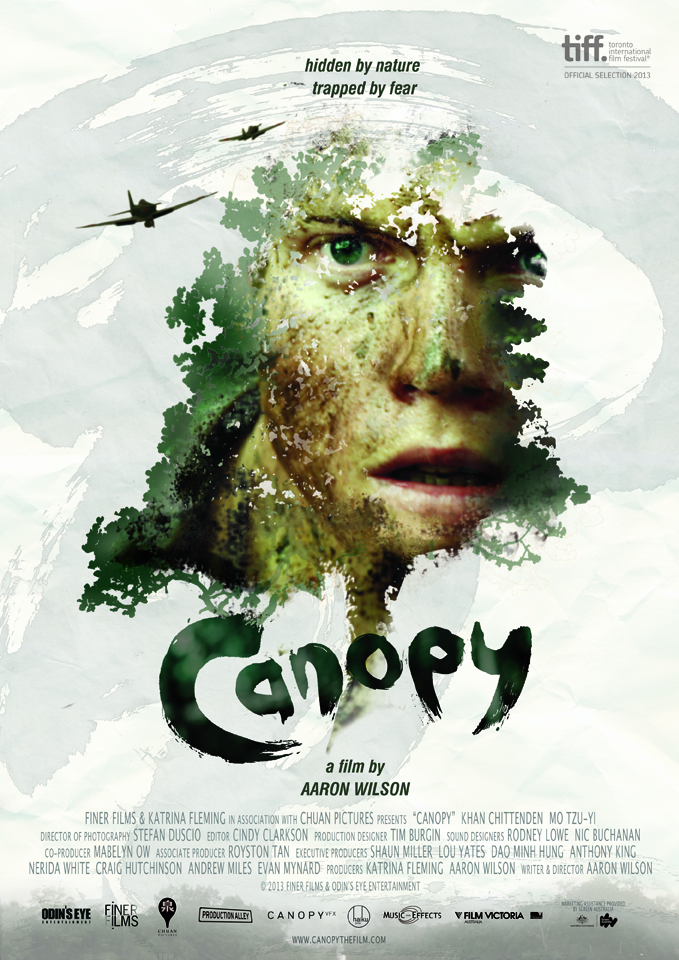
CanopyCanopy is an Australia/Singapore co-production shot on location in the beautiful Singaporean jungle which announces debutant director Aaron Wilson as a potentially interesting new voice in the Australian cinema.

It’s 1942 and Singapore is under attack from the Japanese. An Australian fighter pilot, Jim, crashes into the jungle and finds himself alone and unarmed in enemy territory. He crosses paths with a Singapore-Chinese soldier, Seng, in a similar predicament and the two join forces in the hope of getting out alive.

A far cry from the adventures, epics or men-on-a-mission stories we usually get from the war genre, Canopy endeavours to tell a smaller more human story in these most trying of circumstances. In their fight for survival, Jim and Seng experience a basic human connection despite the fact two men don’t speak each other’s language so communication is limited.

While Canopy is the first feature from young Australian director Aaron Wilson ,he has previously made a number of short films and it shows. Canopy has a bit of a short film feel to it (it has a runtime of only 84 minutes). It is a very simple story told in a minimalist fashion. A smaller budget war film is naturally going to be restricted in what it can show on screen, so must come up with other devices. In the case of Canopy the sound design is very important to the film’s effectiveness. Wilson’s use of sound creates an immersive cinematic experience as we are placed in Jim’s subjectivity. We only see the things he sees, but we also hear the things he hears; birdsongs, the rustling of bushes, the pops of gunfire, the overhead hum of fighter planes, the far off sounds of explosions. The terror and uncertainty of his experience in the jungle comes from the fact that he can hear things that he can’t see, and the film allows us to share that experience.

This subjectivity extends to the relationship between the two characters. As mentioned, there is very little dialogue in the film as the two characters don’t share a language. While Seng talks significantly more than Jim, we are not given subtitles for his dialogue so we don’t come to know him any better than Jim does.

The film’s conclusion is a bit disappointing, not as a result of providing an unsatisfactory resolution to the narrative but rather due to its lack of clarity. It was not until scrolling through the names in the final credits that I was actually able to decipher what the ending was seeking to represent.

While Canopy is unlikely to make an impact at the box office – its business will be done on the festival circuit – the recent success of Gravity and, to a lesser extent All is Lost, has seen the subgenre of the single character survival drama achieve some prominence recently, and while Canopy is a significantly more modest film that either of those, it is none the less an interesting addition to the subgenre.

Rating – ★★★☆

Review by Duncan McLean

Review – The Monuments Men (2014)

Director: George Clooney

Starring: George Clooney, Matt Damon, Bill Murray, John Goodman, Jean Dujardin, Bob Balaban, Cate Blanchett, Hugh Bonneville, Dimitri Leonidas

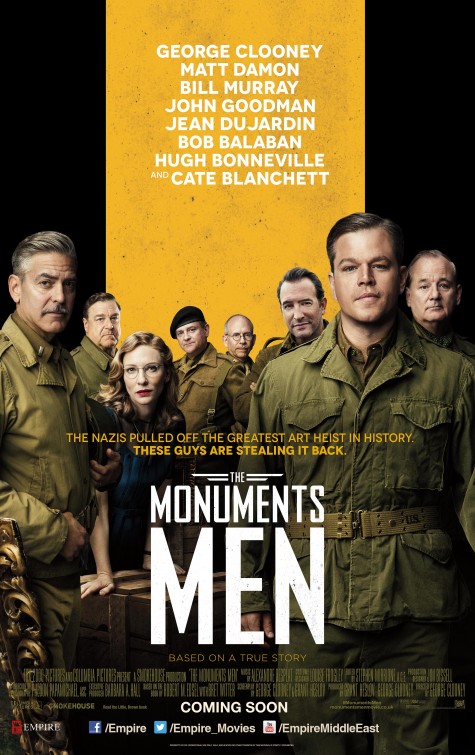
Monuments MenThe most significant moments in our history are made up of many, many stories. These stories provide the colour and the detail that give the greater narrative its significance. The story of the Monuments Men, a small group of experts who headed into war torn Europe to preserve a culture, is one of these stories and it has been brought to the screen by actor/director George Clooney.

As the Third Reich marched through Europe in the Second World War they collected important artworks and cultural artefacts from churches, museums and homes with the intention of displaying them in the planned Führer Museum in Hitler’s hometown of Linz. By 1944 the tide had turned in the War, the Nazi’s were retreating and fears started to arise that they would destroy their stockpiles of artworks as they moved out. “You can wipe out an entire generation,” explains Clooney’s Frank Stokes, “You can burn their homes to the ground and somehow they’ll still find their way back. But if you destroy their history, you destroy their achievements and it’s as if they never existed.” Even with the War seemingly all but won, were a history to be lost in its final stages the victory would be an incomplete one. So Roosevelt green-lit the Monuments, Fine Arts and Archives program, in which a small team of art historians, architects and curators were sent into the warzone with the job of finding, retrieving and returning the stolen works.

The Monuments Men is George Clooney’s fifth feature film as a director. It has an old-fashioned adventure story feel to it. They are, after all, treasure hunters. But in creating this tone, Clooney seems to have sacrificed his own unique style in favour of something which feels like it is merely trying to imitate an older form. The narrative is episodic in nature. As the Monuments Men split up and head to different points of the European continent on different missions we move between their different stories. Some of these episodes are amusing, some are touching, some are exciting. However, with our attention being split between eight co-protagonists, none of the characters are given enough time or depth to really engage us. There are simply too many of them for a two hour movie. That being said, Clooney has assembled an all-star cast, with the likes of Matt Damon, Bill Murray, John Goodman, Jean Dujardin, Bob Balaban, Cate Blanchett and, of course, Mr Clooney himself. While it may not have the wow factor of the Ocean’s 11 cast, it is none the less an impressive collection of talent and it is the charisma of these actors, more so than their characters, which keeps you engaged in the film and represents its greatest strength.

The Monuments Men looks great. It is beautifully shot by Pheldon Papamichael and the production design is top notch. It focuses in on a really fascinating and unique story, but unfortunately it fails to reach the heights that story deserves. It is not quite as funny and irreverent as it could have been – especially considering its cast – but neither is it as serious and gritty as it could have been. Instead we are left with a very earnest and sentimental film which at times is just a bit bland.

Rating: – ★★★

Review by Duncan McLean

Best Picture Breakdown

This year’s Academy Awards looks like it could be a very interesting one indeed. It the favourites were to win in each of the major categories we could see a real spread of awards, with no one film dominating proceedings. This means that the big gong of the night, Best Picture, is still a reasonably open contest. So what do each of the films have going for them? And what is standing in their way? What follows is a basic for and against for each of the nine nominees which will hopefully shed some light on their chances in tomorrow’s ceremony.
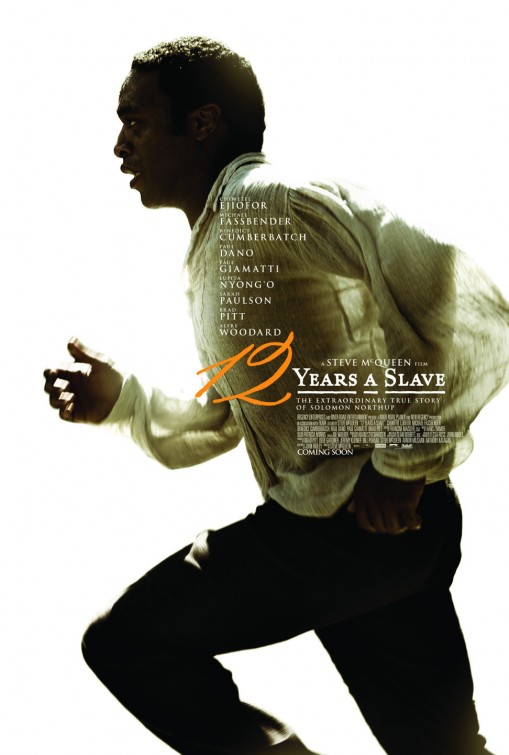
12 Years a Slave

12 Years a Slave

Nine Nominations

Notable Awards: Golden Globe Best Drama, BAFTA Best Film, PGA Outstanding Producer of Motion Pictures, AFI Movie of the Year, NBR Top Ten Films

Why 12 Years a Slave will win: There is no film in the field that looks more like a traditional Best Picture winner than 12 Years a Slave. It is a masterful piece of filmmaking, beautifully shot, well written and superbly acted. It is also a serious film dealing with socially important subject matter (filmmakers like to see themselves as playing an important social role so like to promote films like this). The fact that it is the first film about slavery to have been made by a black director and written by a black writer also gives the film a special significance. This has all been backed up by some good momentum coming into the Oscars having already won Best Drama at the Golden Globes and Best Picture at the BAFTAs and tied with Gravity for the Producers Guild’s top award.

Why 12 Years a Slave won’t win: 12 Years a Slave is rightfully the favourite, albeit a slight favourite, for the award. But while the film has been widely lauded it is not as widely loved as some of the other films in contention and in a tight race that could be significant. When it comes down to a fight between the film voters admire and the film they love, sometimes admiration alone doesn’t get the job done. Also, the Academy now uses a preferential voting system whereby voters rank the nominees from one through to nine. The votes are then counted, with preferences redistributed round by round until a film manages to secure more than 50% of the vote. In what looks to be quite a tight race, the odds that a film will secure over 50% of the votes in the first count is highly unlikely, so the preferences become very important and the system could end up favouring the film that can be everybody else’s second choice.
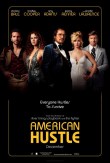
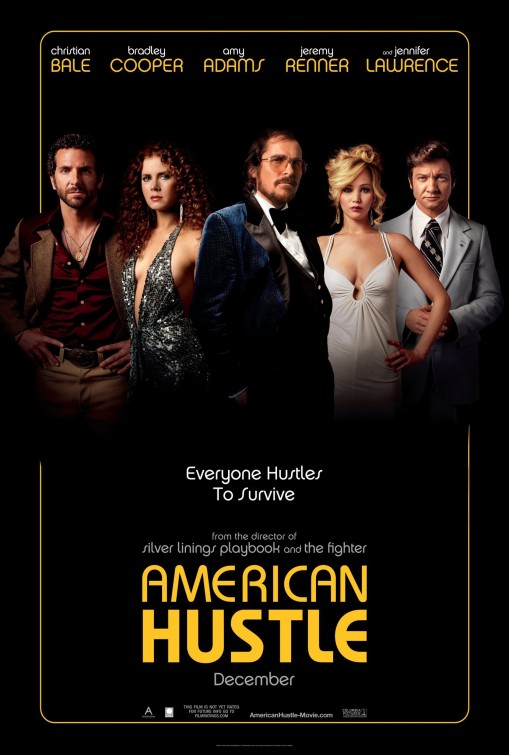
American Hustle

American Hustle

Ten Nominations

Notable Awards: Golden Globe Best Comedy or Musical, SAG Outstanding Performance by a Cast in a Motion Picture, AFI Movie of the Year

Why American Hustle will win: With ten nominations, American Hustle is tied with Gravity for the most nominated film in the field, but American Hustle’s nominations have come in more telling categories. For the second year in a row a David O. Russell film has been nominated in the big seven categories (Picture, Director, Actor and Actress, Supporting Actor and Actress, and one of the Screenplay categories), and American Hustle is the only film in the field this year to have achieved that feat. The four acting nominations may prove particularly important as actors make up the largest branch of Academy voters and it is possible that a film built on the strength of its ensemble cast is more likely to catch their eye than a film built on its outstanding technical achievement.

Why American Hustle won’t win: Of the major contenders, American Hustle is the one which seems to have lost a bit of momentum leading into the awards. Coming up to the announcement of the nominations it was arguably the front runner, and its ten nominations appeared to confirm that. Since then, however, people seem to be cooling on it. Even Jennifer Lawrence, who a month ago was an unbackable favourite to win her second Oscar, is no longer so far ahead of the pack. While Russell’s won the Golden Globe for Best Comedy or Musical, the Golden Globes have not proven to be a strong indicator of Oscar form, and it was also in a separate category from 12 Years a Slave and Gravity, the two films seen as being its greatest rivals for the Oscar so it is difficult to take much from that success.
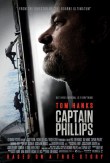
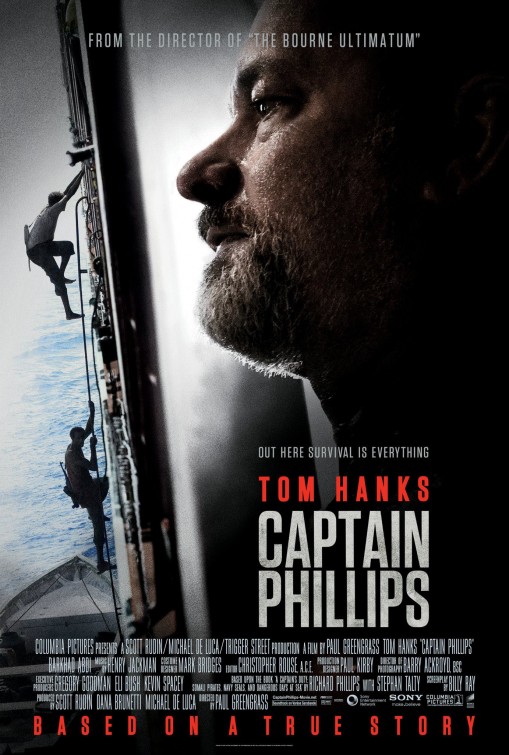
Captain Phillips

Captain Phillips

Six Nominations

Notable Awards: AFI Movie of the Year

Why Captain Phillips will win: Paul Greengrass’ Captain Phillips is an intensely gripping thriller based on recent real life events which impressively also manages to really humanise the players on both sides of its hostage situation. But when it comes to the Oscars, Captain Phillips really has one very big ace in the whole. Tom Hanks. Tom Hanks has been an Academy favourite for a long time, and while Forrest Gump is his only film to have won Best Picture, he’s had a number of films around the mark. While he surprisingly missed out on a nomination for a performance many – myself included – felt would have had him as a serious contender for Best Actor, Argo’s win last year after Ben Affleck’s director snub showed that a surprise snub can help to build support behind a film.

Why Captain Phillips won’t win: In a nine film Best Picture field, one of the basic indicators of who the real contenders are and who are making up the numbers is to look at which films get nominations in the Best Director category. Hollywood is still a very auteur influenced film culture, invested in the overall artistry of the director. Captain Phillips is one of the films which wasn’t recognised in the Best Director category, and only four films have ever won Best Picture without a Best Director nomination. While Argo managed to do just that last year, what are the chances it could happen two years in a row? Also, given how central Hanks’ performance was to the effectiveness of the film, the fact that it was overlooked for a nomination suggests that Captain Phillips is not seen as a real heavyweight.
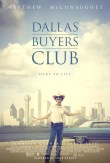
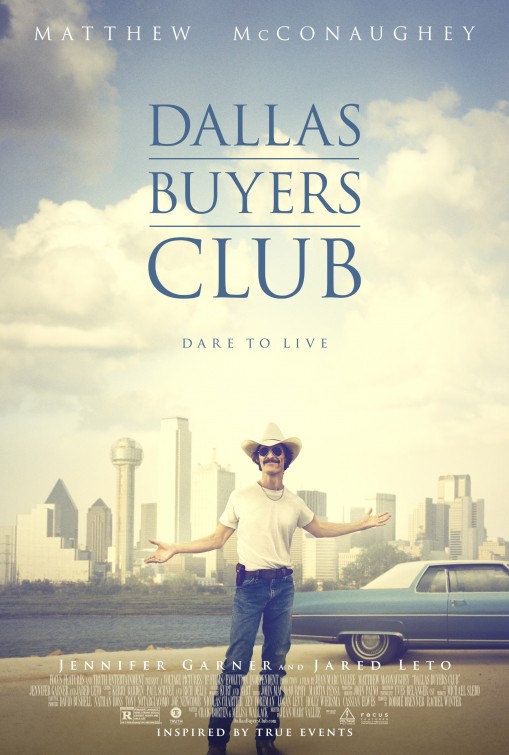
Dallas Buyers Club

Dallas Buyers Club

Six Nominations

Notable Awards: NBR Top Ten Independent Films

Why Dallas Buyers Club will win: Like 12 Years a Slave, Dallas Buyers Club ticks a number of the boxes of a Best Picture winner. It is a well written (it got a screenplay nomination) and directed film about a serious issue, based on a real life person, and built around two absolutely brilliant performances. The story of Ron Woodroof’s transformation from homophobic bigot to unlikely AIDS activist is quite uplifting and Academy voters have a bit of a history of being suckers for sentimentality over merit (Forrest Gump over Pulp Fiction and The Shawshank Redemption in 1995, Rocky over Taxi Driver in 1977). While Dallas Buyers Club has a hard edge which makes it far from the most sentimental film ever to get a Best Picture nomination it is definitely an inspirational, underdog tale.

Why Dallas Buyers Club won’t win: While Dallas Buyers Club has won a number of awards in the lead up to the Oscars they have been almost solely for the performances of McConaughey and Leto, not for the film as a whole. It is almost as though people have struggled to look past the brilliant performances to see the merits of the rest of the film.
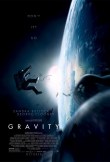
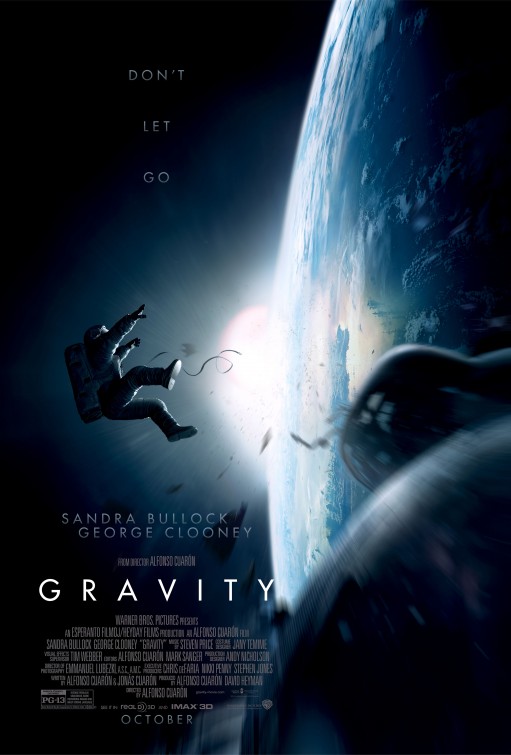
Gravity

Gravity

Ten Nominations

Notable Awards: AFI Movie of the Year, DGA Outstanding Directorial Achievement in Feature Film, NBR Top Ten Films

Why Gravity will win: No film this year received a stronger audience response than Gravity. Alfonso Cuaron’s immersive, experiential film had audiences legitimately awestruck and is the highest grossing film in the field. Its ten nominations have it equal with American Hustle as the most nominated film this year. While it lost out to 12 Years a Slave for the big prize at the Golden Globes and the BAFTAs, it tied for the top gong from the Producers Guild of American and, more importantly, Alfonso Cuaron won the Directors Guild Award for Outstanding Directorial Achievement in Feature Film. Of all the lead up awards each year, this one has the best track record of identifying the Best Picture Oscar Winner. Ten times in the last eleven years, including last year with Ben Affleck and Argo, the film whose director has been recognised by the DGA has gone on to win at the Oscars.

Why Gravity won’t win: Name the last science fiction film to win Best Picture. Here’s a clue… it’s never happened. Gravity is far from being typical Best Picture fare so would have to buck the trend of dramas being preferred over genre films. While it received ten nominations, many of them were in technical categories and it failed to receive a screenplay nomination. It is possible that Academy voters will see the film as a marvellous technical achievement more so than a marvellous all-round film. While Cuaron is the overwhelming favourite to take home Best Director, just last year we saw Ang Lee take home that award for a brilliant visual achievement in Life of Pi without the film winning the major award.

Her

Her

Five Nominations

Notable Awards: AFI Movie of the Year, NBR Best Film

Why Her will win: One thing that Her really has going for it is that it is by far the most original film of the nine nominees. Jonze’s film about the relationship between a man and the operating system on his computer is really unlike anything we’ve seen before. It is also original in a way that garners praise and attention (as evidenced by the many screenplay awards it has already won) rather than merely confronting and frightening people. While it hasn’t won any of the major lead in awards, it was named Best Film by the National Board of Review, so there is at least one instance where it has trumped the other nominees.

Why Her won’t win: Another film without a Best Director nomination, Her is also the only film in the running to not have a single nomination in any of the acting categories (even though Joaquin Phoenix would have been a deserving nominee). So you can add to the fact that only four films without a directing nomination have ever won Best Picture the fact that only 11 films without an acting nomination have won. It all adds up to suggest that Her is up against it.
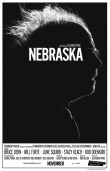
Nebraska

Nebraska

Six Nominations

Notable Awards: AFI Movie of the Year, NBR Top Ten Films

Why Nebraska will win: This black and white, slow, small, indie film stands out a bit in the field. But unlike last year’s little indie nomination Beasts of the Southern Wild, Nebraska already has some serious Oscar credibility. It is director Alexander Payne’s third film in a row to be up for Best Picture – after Sideways in 2005 and The Descendents in 2012 – with each one being better than the last. Does that mean he’s getting closer? Many critics have likened the film’s tone and style to films of the Hollywood Renaissance period of the late 1960s/early 1970s, in particular Peter Bogdanovich’s The Last Picture Show. With that period being such a revered moment for many Academy voters could they really value that association in Nebraska? The stunning performance of veteran character actor Bruce Dern so late in his career also gives it a feel good element.

Why Nebraska won’t win: Left of centre indie films tend to earn critical praise and art-house admiration but that doesn’t have a history of translating into Oscar wins. That said, Alexander Payne has already won two Oscars for screenwriting. However neither of those films managed to capture the big prize. Nebraska is not the favourite to win in Best Original Screenplay and it would seem unlikely that it would win Best Picture without a win in that category.
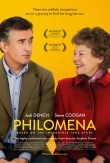
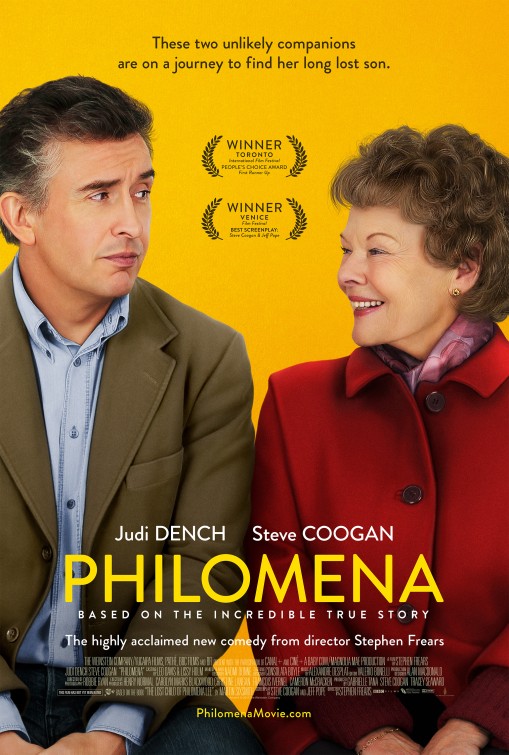
Philomena

Philomena

Four Nominations

Notable Awards: N/A

Why Philomena will win: While as a small, British film, Philomena would seem a real longshot to win the major award there are some punters who are seriously talking about it as a potential spoiler. Like 12 Years a Slave, Philomena has an important social message to its story, but the key to its chances lie in the fact that it is targeted at an older demographic. With the way the preferential voting works, there is the thought that with 12 Years a Slave, Gravity and American Hustle all so evenly matched they could steal each other’s votes, effectively cancelling each other out, and if the Weinsteins can effectively lobby the increasingly aging pool of Academy voters to get behind Philomena it could sneak through.

Why Philomena won’t win: Philomena’s four nominations are the least of any of the contending films, and it isn’t favoured to win in any of them. While Grand Hotel managed to win Best Picture in 1932 despite not being nominated in any other category, in the last 20 years The Departed with five nominations (for four wins) has had the least nominations of any Best Picture winner and it had the advantage of the Academy desperately wanting to give an Oscar to Martin Scorsese. Philomena hasn’t had any noteworthy wins in the lead up to the Oscars, so there is no evidence yet of judges rating it above the other nominated pictures, and it is another film which does not have a Best Director nomination.
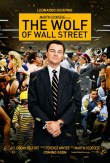
Wolf of Wall Street

The Wolf of Wall Street

Five Nominations

Notable Awards: AFI Movie of the Year, NBR Top Ten Films

Why The Wolf of Wall Street will win: The Wolf of Wall Street appears to be the film most likely to challenge from outside the three favourite. One thing it has its favour unpredictable motives of the Academy voter. Scorsese is the filmmaker of his generation, but for a long time he went unrecognised by the Academy and it was seen as one of their great oversights. That would change in 2007 when he took home Best Director and Best Picture for The Departed. But even then, many felt that The Departed didn’t represent Scorsese’s best work, and more to the point it wasn’t a traditional Scorsese film. Academy voters, like tipsters, have been known to vote for the nominee they want to win rather than the one they think should win. With The Wolf of Wall Street being hailed as a return to the Scorsese of old, will the Academy voters jump at the chance to recognise a “real” Scorsese film?

Why The Wolf of Wall Street won’t win: The Wolf of Wall Street is easily the most controversial film in the field and controversy is something that is rarely rewarded on Oscars night. With its avalanche of sex, drugs and profanity, Scorsese’s film has been accused of distastefully celebrating and lionising the abhorrent behaviour of selfish, criminal stockbrokers. It only requires a small percentage of voters to conscientiously object to the film to have it out of the running.

——-

So with all that in mind, for mine the nominees can be broken up into four categories…

The Contenders: 12 Years a Slave, American Hustle, Gravity

The Potential Dark Horses: Her, The Wolf of Wall Street

The Outsiders: Philomena, Nebraska

Thanks for Coming: Captain Phillips, Dallas Buyers Club

By Duncan McLean

Review – Non-Stop (2014)

Director: Jaume Collet-Serra

Starring: Liam Neeson, Julianne Moore, Michelle Dockery, Corey Stoll, Lupita Nyong’o

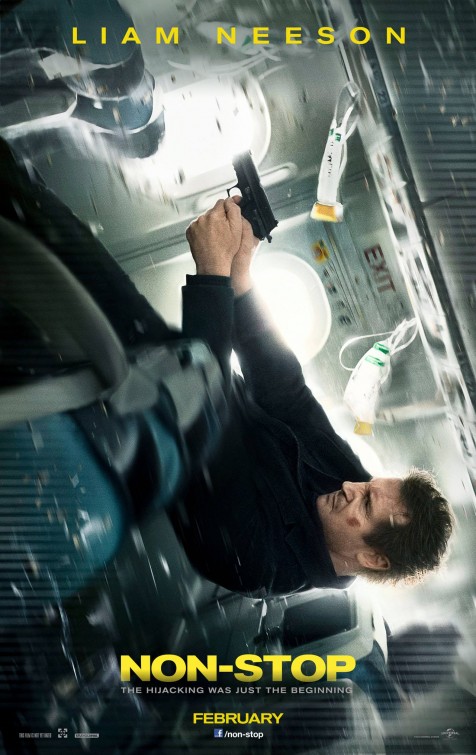
Non-StopLiam Neeson is a terrific actor who has been in some really wonderful films. But at some point in the last decade, despite being on the other side of fifty, he has made an unlikely transition into being an action hero, a kind of contemporary Clint Eastwood. The upside of being a recognised movie action hero is that he can pay the bills by doing paint-by-numbers thrillers, of which Non-Stop, which sees him reunite with director Juame Collet-Serra from Unknown, is definitely one.

Neeson plays US Air Marshall Bill Marks, a burned-out alcoholic who is on a routine flight from New York to London when he starts receiving a series of text messages threatening to kill a passenger every 20 minutes unless $150 million is transferred into a secret, off-shore account. With the lives of 200 passengers in his hands, Marks has to determine which one of them is the culprit, preferably without causing a state of panic 40,000 feet above the ground.

Setting a thriller on an aeroplane mid-flight creates an interesting variation on the Agatha Christie formula which sees our key players – the detective and all of the potential suspects – confined to one location for the duration of the story. From the very outset of the film, before we know what is about to unfold, some clever camerawork from cinematographer Flavio Martinez Labiano creates suspicion of every character we encounter. Likewise, before it is even revealed that Bill is an Air Marshall we know that he is a watcher of people. It is through his gaze that we notice little details about the passengers around him.

As the narrative progresses, with its countless red-herrings, there are moments in which you are genuinely hooked into this mystery. This cat-and-mouse scenario creates some legitimate tension, and Non-Stop looks like being a basically enjoyable, if largely generic, thriller. But then it steps into the ludicrous. Like a plane with serious engine failure, this film plummets in its final third. The final reveal is disappointing, due in part to the sheer ridiculousness of the motives at play – the hijacker is the last in a long number of characters in the film who share needlessly elaborate, and in this case nonsensical,  backstories. But surely the point at which this film completely descends into farce is when a moment of anti-gravity caused by the free-falling plane righting itself sees a gun that was lying on the floor levitate in front of our hero at the opportune moment for him to grab it and fire. I’m not sure the 50-50 split between groans and laughter is the audience reaction that the filmmakers were hoping for.

Even though Neeson is clearly going through the motions, he, like the rest of a surprisingly quality cast, struggles valiantly against some sub-standard material and manages to give more than it deserves. Ultimately though, Non-Stop fails to live up to the potential of what could have been quite a fun premise.

Rating – ★★

Review by Duncan McLean