
Doctor of Movies’ Top Ten of 2025

As an observer of the film industry, a reader of articles and listener of podcasts, there seemed to be a lot of doom and gloom around in 2025. IP serialisation is still very much the name of the game in Hollywood, but while family-focused blockbusters like Zootopia 2, A Minecraft Movie and the live-action remakes of Lilo & Stitch and How to Train Your Dragon performed strongly, new instalments in the previously bankable Marvel Cinematic Universe, Jurassic World, Avatar, Mission: Impossible, and Wicked all failed to gross as much as previous entries. We had Trump’s announcement that tariffs were going to be introduced on movies made outside of the US and the uncertainty about how that would work and what it would mean. There is the question of what the pending sale of Warner Brothers to Netflix means for the future of both the studio and the theatrical and physical media releasing of their films. And then, of course, there is the continued uncertainty about what impact the increasing prevalence of generative AI will have on the screen sectors. All good fodder for the glass-half-empty types.
But film is about more than the box office performance of Hollywood blockbusters, and as always, 2025 presented a range of other interesting stories that can be told, largely stories that de-centre the Hollywood system. We saw the Academy choosing a small Latvian animation over the Pixars and Dreamworkses of this world for Best Animated feature. KPop Demon Hunters provided the proof case that it was possible for a streaming movie to cause a genuine pop culture moment. Greater than usual attention was given to international films like Iran’s It was Just an Accident, Brazil’s The Secret Agent and Korea’s No Other Choice. And then there is whatever we make of the fact that the year’s runaway highest grossing movie, and the fifth highest grossing film of all time, Chinese animation Ne Zha 2, got to that position by making about 98% of its money in the Chinese domestic market.
For me professionally, 2025 was a pretty fun year. Working with my students at the Australian Film Television and Radio School continues to be rewarding, a significant research project I’m undertaking on how Screen Studies is taught in film schools around the world got up and running, and I became a regular guest on ABC Local Radio around Australia on Saturday evenings talking movies on Weekend Evenings with Mark Humphries. Within and alongside that, I was also watching movies. In all I saw 333 films this year, roughly on par with the last few years. That 333 included 85 new releases. Of those new releases, here are my picks for the best of them. As always, these selections are based on Australian release dates, so some may have been 2024 films elsewhere.
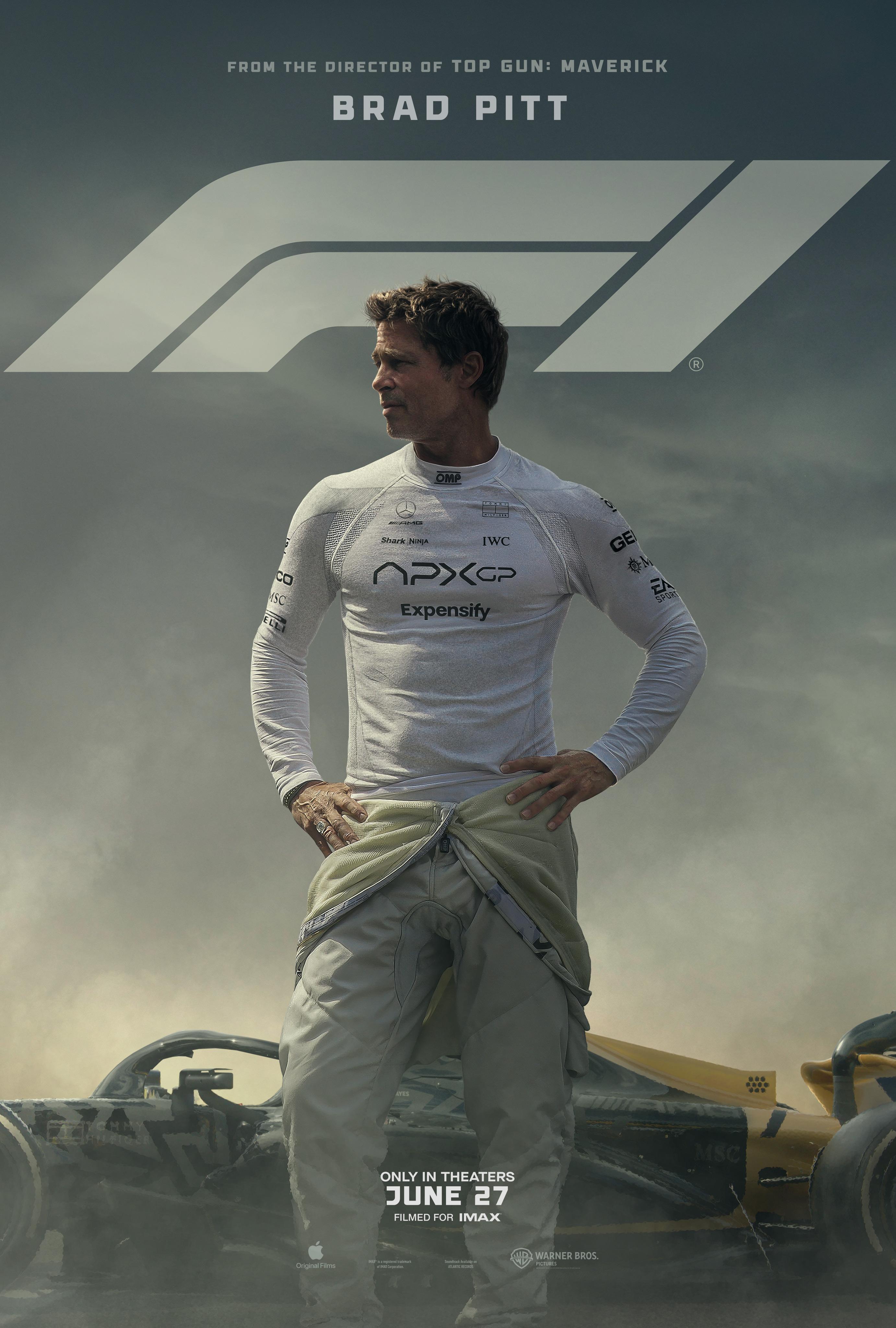
10. F1 (Joseph Kosinski)
I might be taking a bit of license in calling F1 one of the ten best movies of the year, but it’s my list and I wanted to make a space for what I thought was the most exhilarating big screen, blockbuster experience of the year. F1 is a rock solid sports movie. Yes, it leans on reliable tropes – an ageing veteran with something still to prove, generational friction with a brash youngster, plucky underdogs shaking up the competition – but the comfort and familiarity of the narrative is merely the foundation for the draw card that is the race action. The sense of exhilaration and authentic action that imbued Kosinski’s aerial sequences in Top Gun Maverick is brought to the track here. It is fast and frenetic, giving a cinematic version of broadcast angles. F1 purists will likely nitpick, but it’s a fun ride. While much was made about its box office performance as a “non-IP film,” the reality is that Drive to Survive has built a significant audience of people who are not necessarily F1 devotees but are interested in the narratives and characters that surround it and that is who this film caters to.
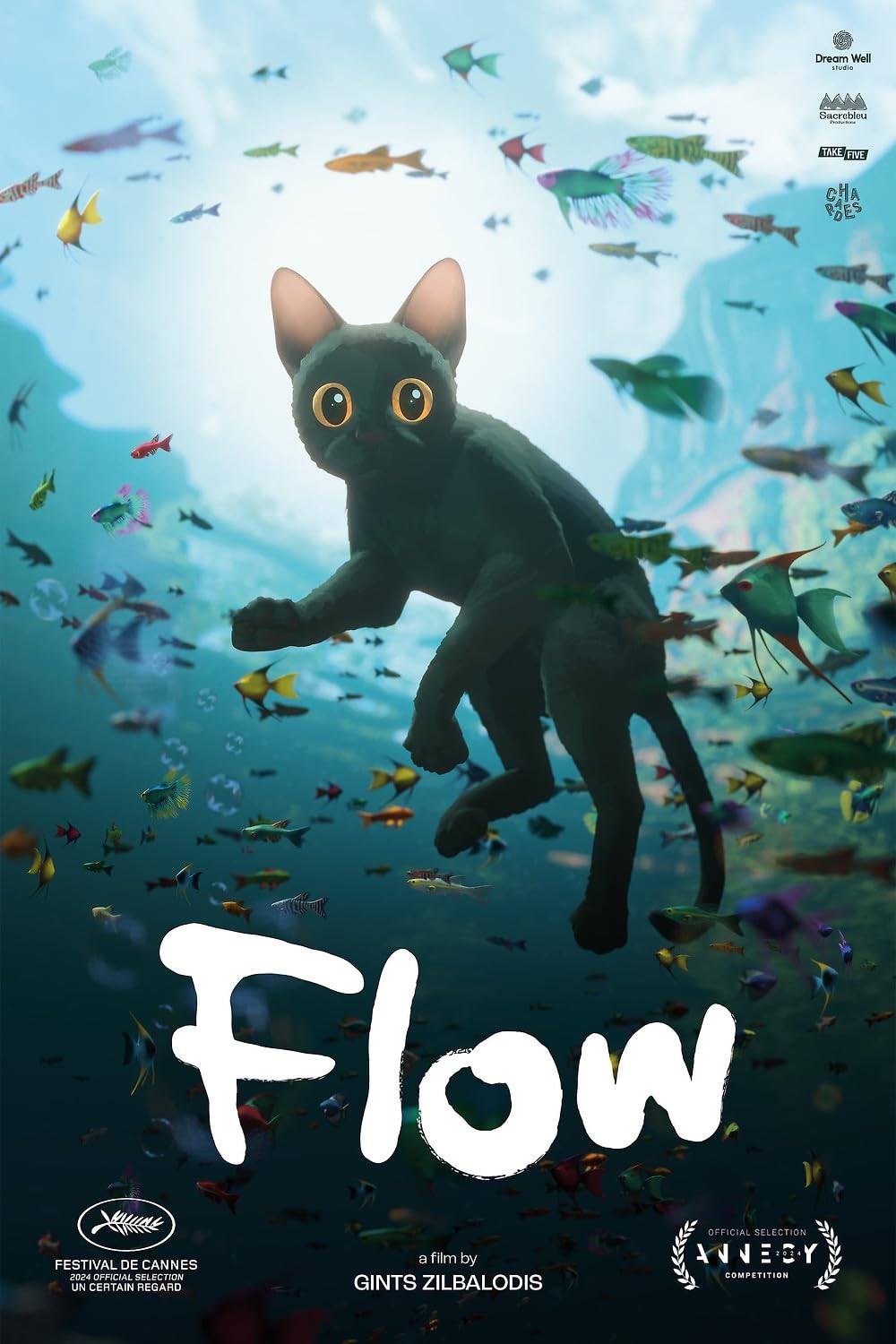
9. Flow (Gints Zilbalodis)
This beautiful little film about a cat navigating a world-engulfing flood shot up my to-do list when it beat the big dogs to win Best Animated Film at this year’s Oscars. It has a mythic quality to it. There is no dialogue. It’s cast of animals aren’t anthropomorphised. They just get to be animals. Yet there is an incredible humanity to the film. The result is one of the most curious and fascinating post-apocalyptic films you will ever see. The film, like the characters, doesn’t try to explain what is happening. It just responds. The animation is stunning too. The movements are precise and realistic, the camera is alive, feeling almost handheld, but there is an unmistakable, almost retro computer game quality to the animation which enhances rather than detracts from its beauty. It is whatever the CG equivalent of being able to feel the brushstrokes is.
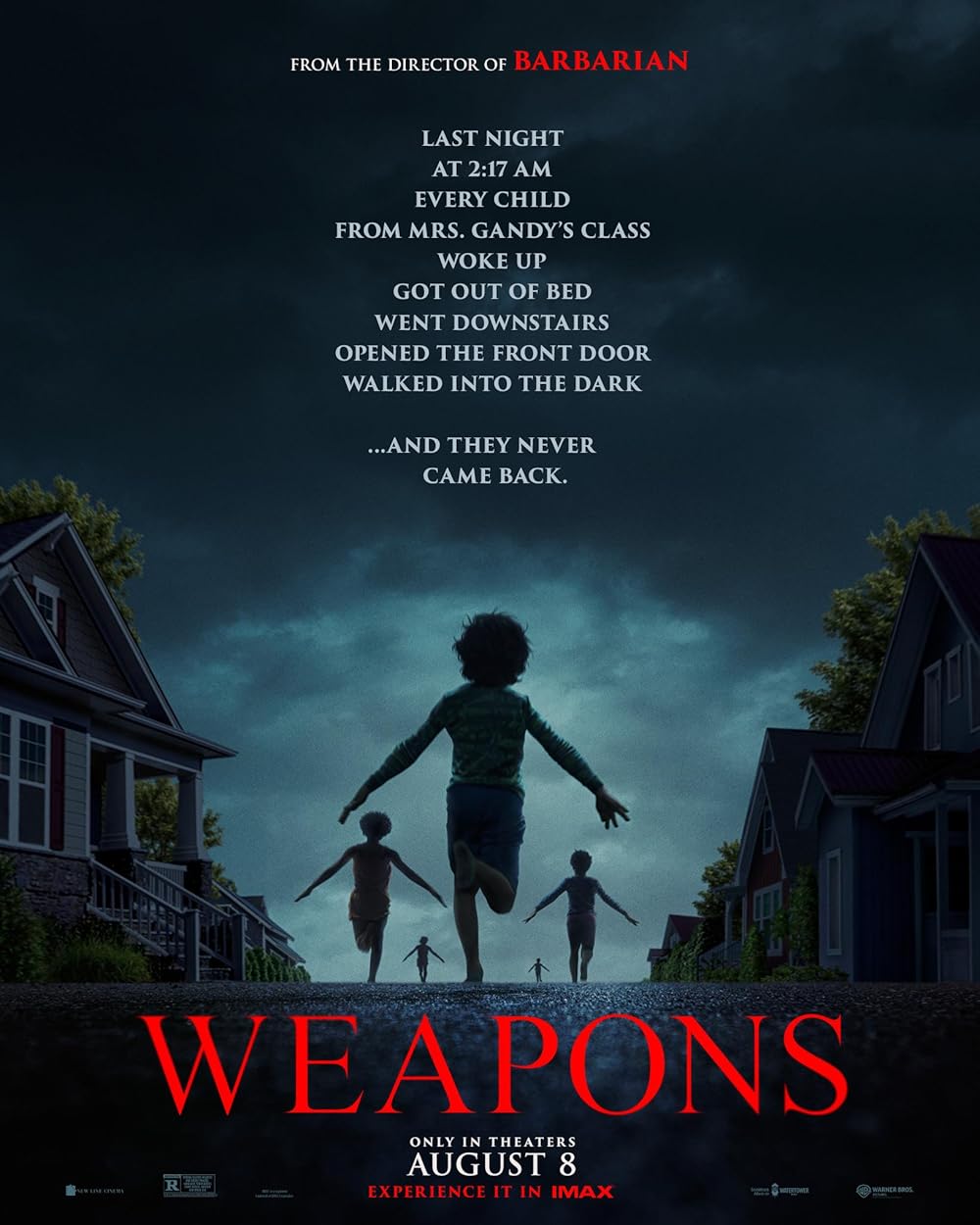
8. Weapons (Zach Cregger)
2025 was quite a year for “I’m not really a horror movie guy but….” and Weapons was a key text in that regard. I’d heard enough good things that I felt compelled to put on my big boy pants and go and see the scary movie and it did not disappoint. It has a tremendous premise – one night all of the children from one primary school class go missing, having all got out of bed, walked out the front door and run down the street, and a community has to come to terms with what has happened – but the narrative structure is what makes it so impactful. The film is broken up into chapters, each from the perspective of a different character, each becoming a jigsaw piece as you try to work the whole thing out. It controls the rhythm of the film with each chapter building to an exciting revelation and then cutting away to someone else. It was a great theatrical experience too. Hitchcock talked about “playing the audience like an organ” and that is what Cregger does here, making them jump and gasp and laugh and squeal.
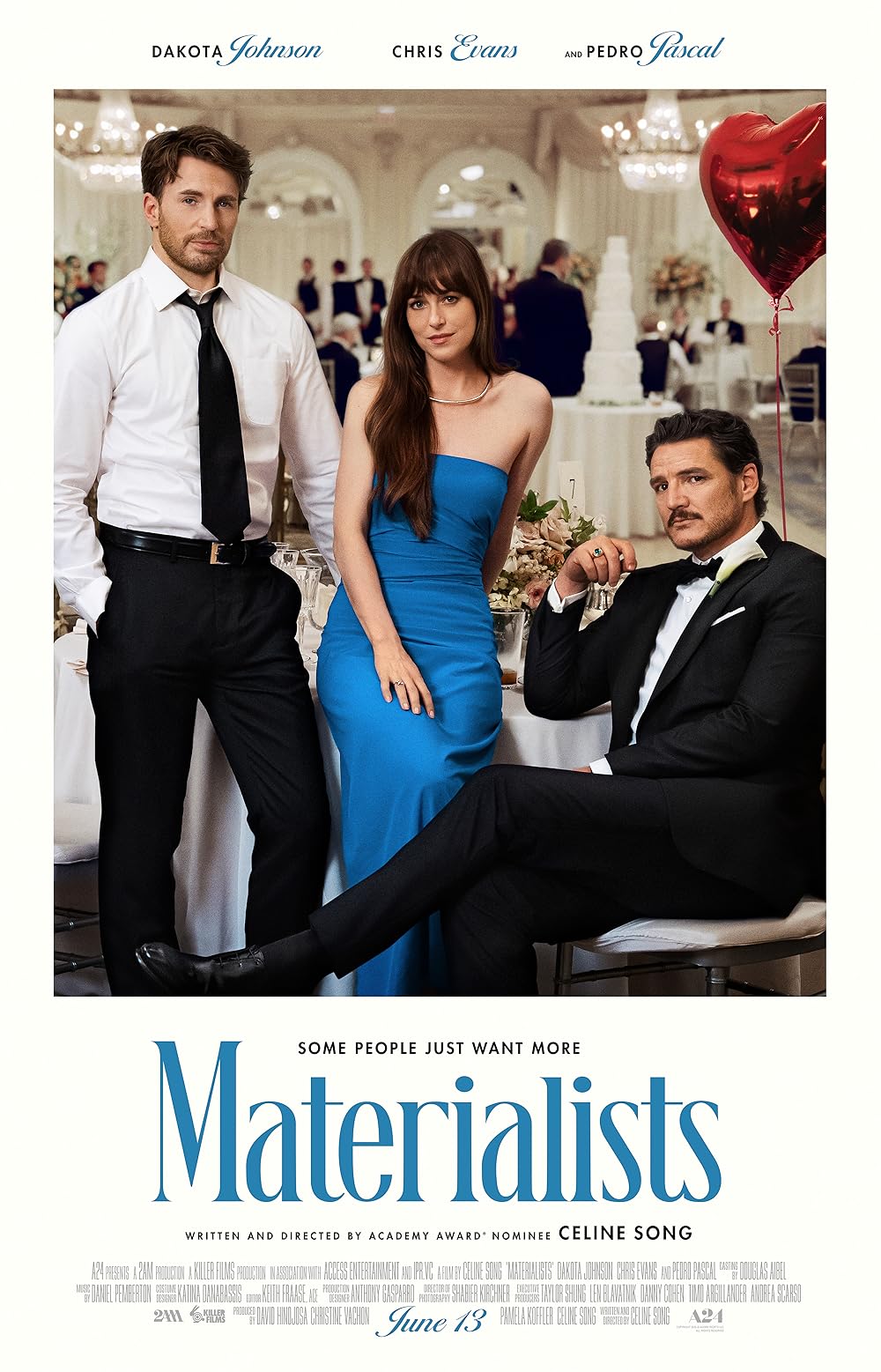
7. Materialists (Celine Song)
Celine Song’s sophomore effort was one of the year’s more divisive films, but I really liked it. A major factor in that divisiveness was that the marketing for the film made promises that the film itself had no intention of keeping. Materialists has a bit more on its mind than a conventional, ‘Which guy will she pick?’ rom com. Song interrogates a cynical dating market that makes everyone a commodity, a collection of value propositions, with matching being merely maths, an exercise in making an equitable transaction. As a hopeless romantic, I found the way that the characters articulate this worldview simultaneously fascinating, amusing, rational and deflating. In the face of this cynicism, it ultimately becomes a film about self-worth. The internet had fun with Dakota Johnson having to deliver a line about not being a very good actress, and a certain suspension of disbelief is required to accept the idea that her choosing actual Captain America would be ‘settling’, but I do like the way Celine Song thinks and writes about relationships.
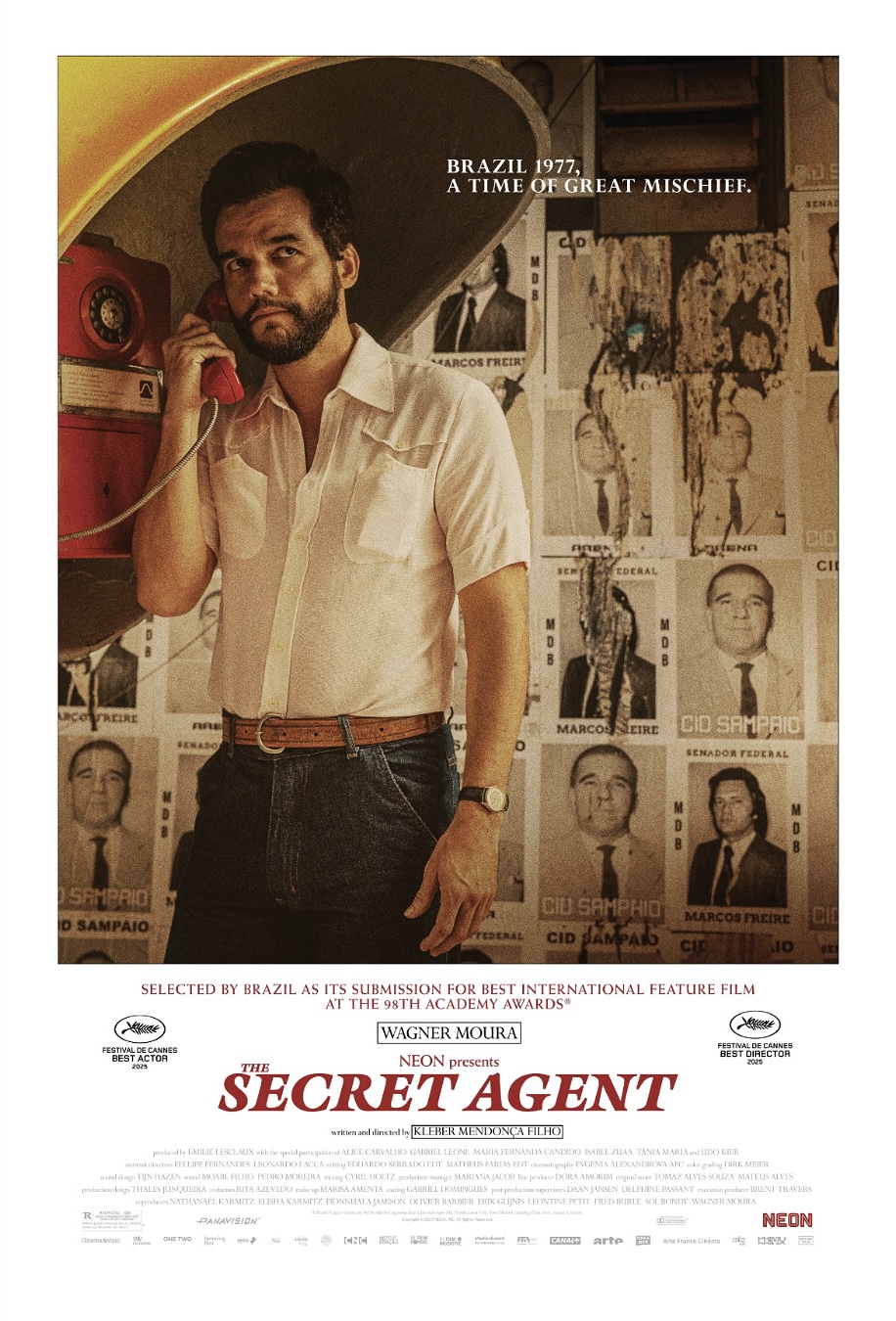
6. The Secret Agent (Kleber Mendonça Filho)
From the get go – a brilliant opening scene at a gas station that is so effective in establishing the world – I found this film absolutely engrossing. Set in 1977, in the midst of Brazil’s military dictatorship, The Secret Agent tells the story of a former professor living in hiding, fearing for his life, having fallen afoul of corrupt authorities. While not necessarily the film its title implies, as a genre piece it is thrilling, intriguing and exhilarating. It is not escapist, though, demonstrating an incredible sense of historical groundedness. Its brilliantly realised period setting captures the fear of life under a dictatorship. Cleverly structured, it jumps back and forth in time in a way that isn’t always signposted but never leaves you scrambling. There is one scene that might be the most surprising and wild thing I have seen in a serious movie, but even it is rationalised in a way that doesn’t break the spell of the film. Filmmaker Kleber Mendonça Filho is a former film critic, and as a film nerd I found the way his cinephilia shows up in his recreation of 1977 quite enjoyable.
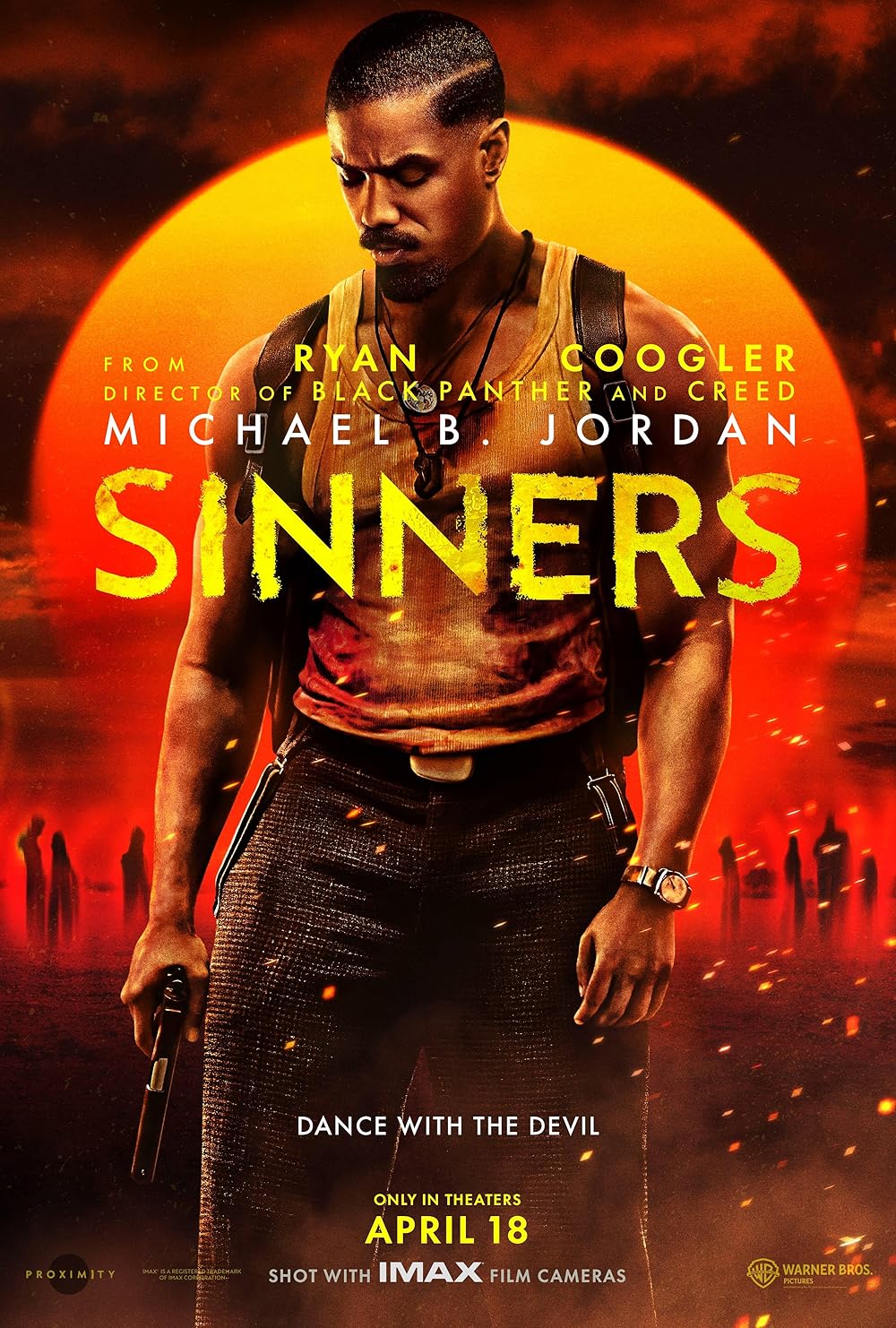
5. Sinners (Ryan Coogler)
There was a lot of excitement around Sinners when it was released in April. A slow start to the year at the box office had prompted a mild state of despair about the future of commercial filmmaking. In this context, Sinners presented itself as a compelling example of what could still be possible. It was an original, well-made, high-production value genre movie that was actually about something from a filmmaker with a distinct worldview. It was everything A Minecraft Movie wasn’t. Sinners is a movie about music, the blues, culture and race, and like From Dusk till Dawn 29 years earlier, it also isn’t at all a vampire movie until it reaches a point where it very much becomes a vampire movie. Coogler does a cool job of holding strong to established vampire lore but applying it in a different context (1930s Mississippi) and expanding it to connect to different ideas relevant to that context. The result, while unusually paced, is a lot of fun and its stylistic and dramatic high points are really something. It is also noticeably more erotically charged than Coogler was ever allowed to be at Marvel.
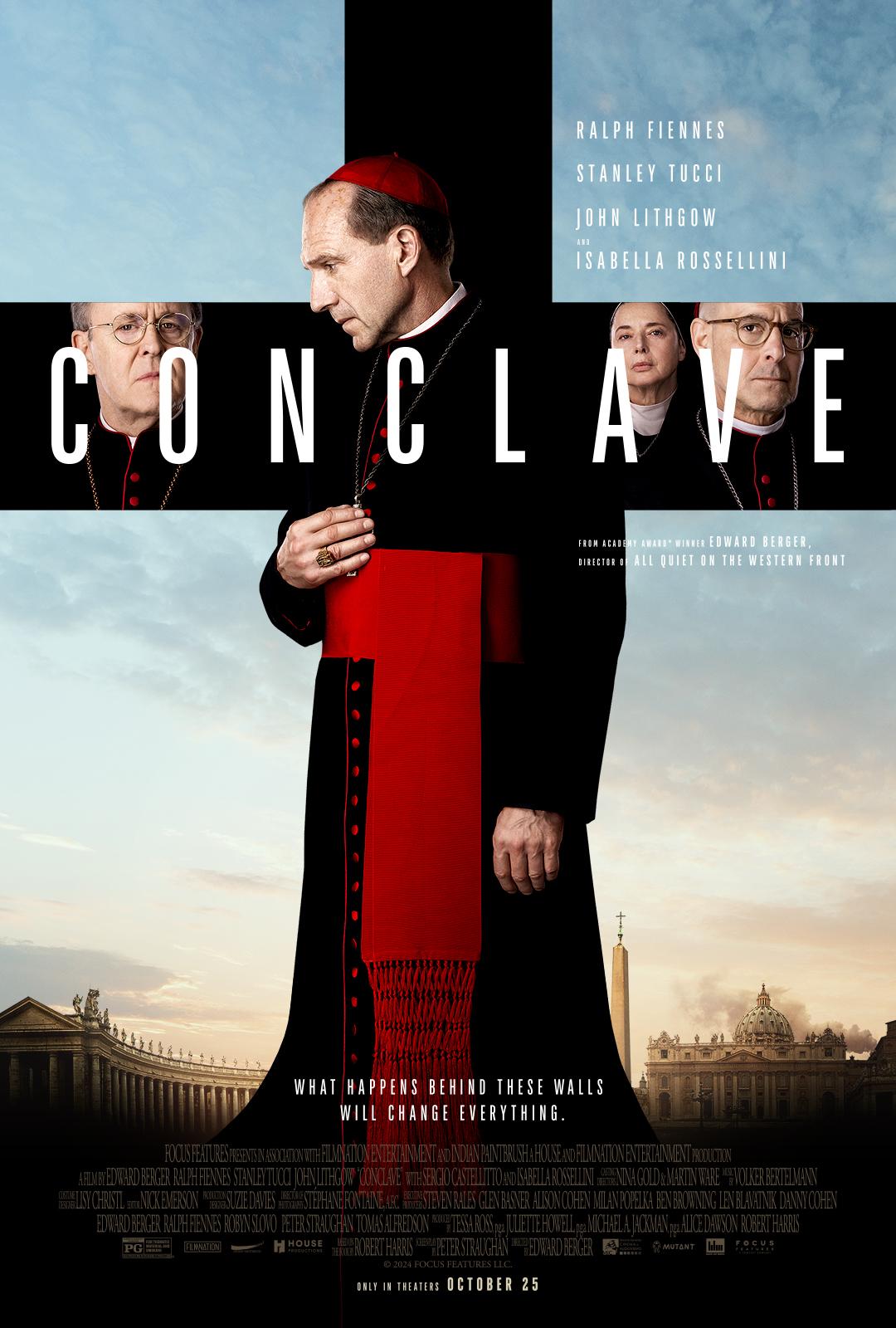
4. Conclave (Edward Berger)
You could be forgiven for assuming, at first glance, that Conclave would be a fairly dour costume drama. In fact, Berger’s film is a compelling, intrigue-filled, almost pulpy political thriller with sharp writing and strong performances. Ralph Fiennes’ character is charged with overseeing the conclave to elect a new pope and navigating the ambition, plotting and factionalism such an occasion brings to the surface. All of this political intrigue is complicated by this additional, ineffable layer of faith and how that is supposed to make this election different to any other. As a top-and-tail for 2025 it is an interesting companion piece to Rian Johnson’s Wake Up Dead Man in terms of what they have to say about how the church should respond to an increasingly secular world. It looks tremendous too, with great costumes and production design and some really striking tableaux framing. This was probably my favourite movie of the year. I saw it three times, and wrote about it for Pop Junctions (Political Fears and Fantasies in Edward Berger’s Conclave).
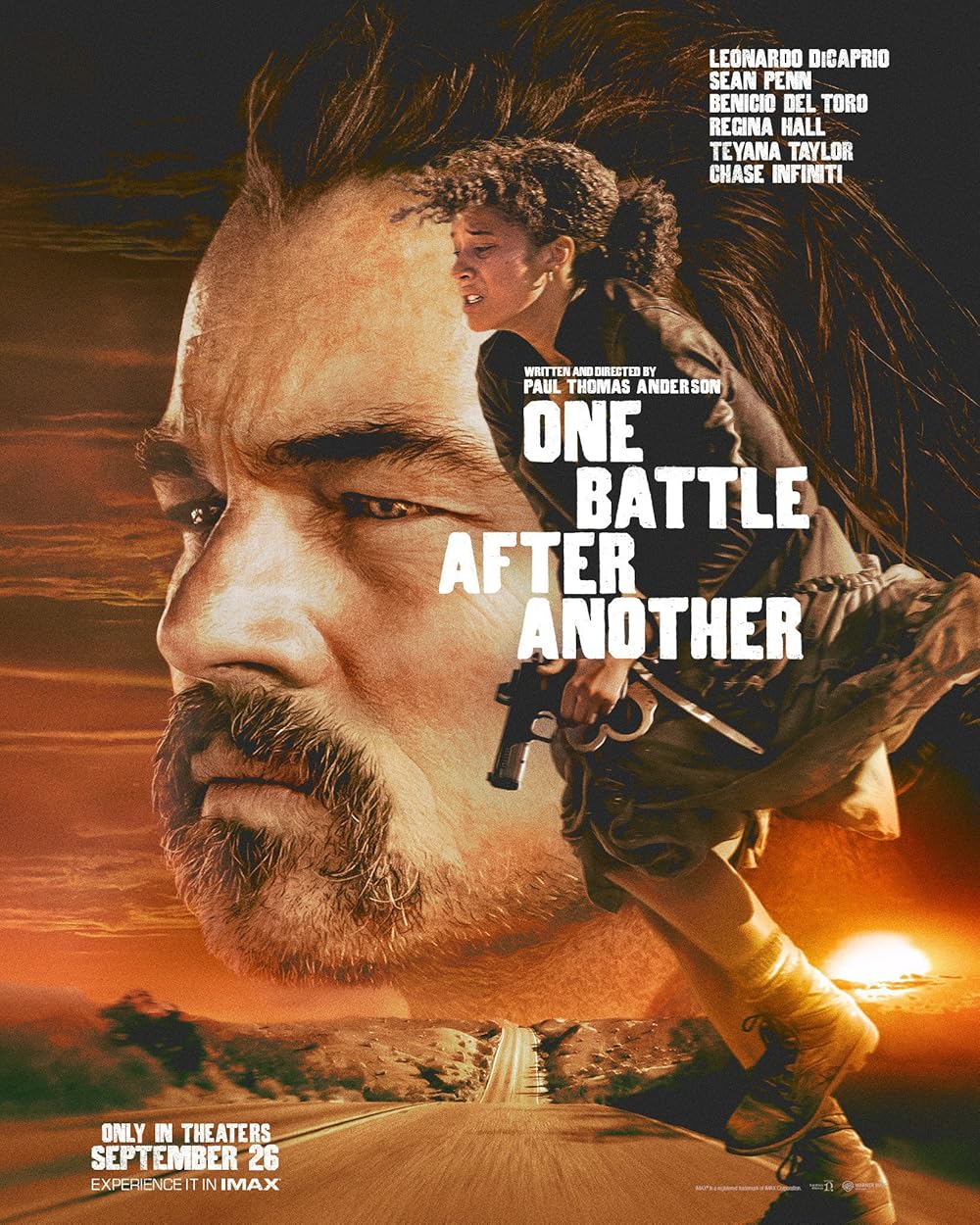
3. One Battle After Another (Paul Thomas Anderson)
While many worship at the altar of PTA, for me he has always tended to be a maker of films that I appreciate rather than treasure. So while I didn’t have quite the same anticipation for One Battle After Another that others did, I came out of it with a real sense that this could be the one that leaves its mark on me. The prologue sets up this sizzling exploration of violent revolution and radicalised politics. Then we jump to the present day and an element of absurd satire is introduced but it doesn’t break the tension or thematic seriousness. There is genuine menace coexisting with some pretty goofy comedy. Leo is a lot of fun as this former revolutionary who is thrust back into a world he is no longer equipped for, and his quest to charge his phone and the ensuing arguments with Comrade Josh might be the most enjoyable thing I’ve ever seen him do on screen, but it is the supporting performances that make this film great. Sean Penn, Teyana Taylor, Chase Infiniti and, particularly, Benicio Del Toro are all tremendous. It’s long, but it’s so propulsive that I didn’t mind. Some good daughter-dad stuff always works on me too.
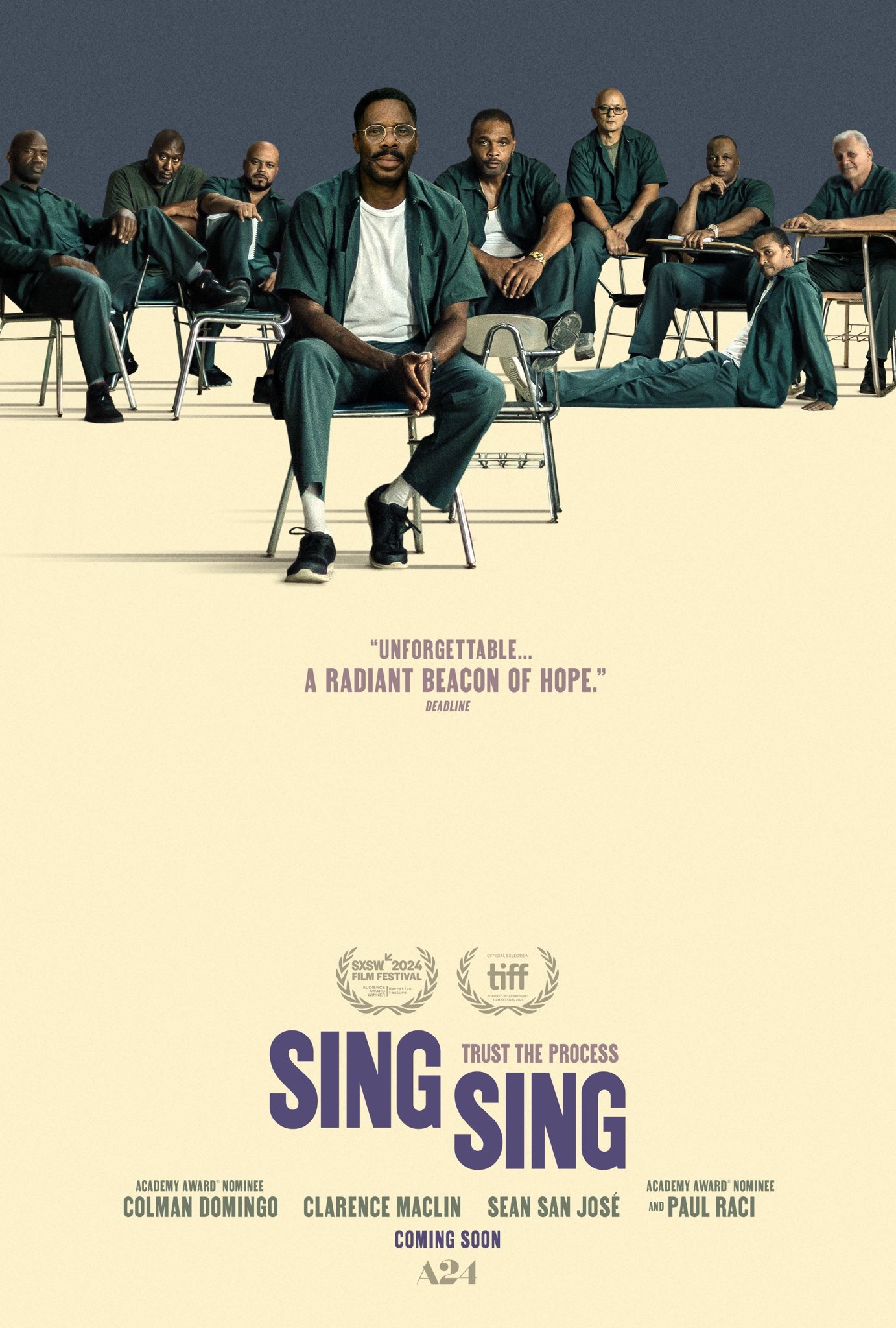
2. Sing Sing (Greg Kwedar)
Sing Sing is one of the most extraordinarily compassionate films I have seen. Telling the story of the inmates involved in the Rehabilitation Through the Arts program that has run in Sing Sing prison since 1996, it surrounds lead Colman Domingo with a supporting cast predominantly made up of real-life former participants in the program. The film captures the capacity of the arts to help us access our humanity and empathy, to open ourselves up, connect with other people and heal even in the most trying of scenarios. And it shows this rather than tells it so it doesn’t feel at all preachy. It is a quiet film. Shots are held. The camera doesn’t intrude on scenes. It observes. The focus on the development and rehearsal of their next show – a truly bonkers time-travelling musical that they conceive of themselves but the film treats dead seriously – invites us to engage with these characters and understand them in a different way to the typical prison film. It’s the sort of film you end up watching the entire credits for because you just want to sit with it before returning to the world.
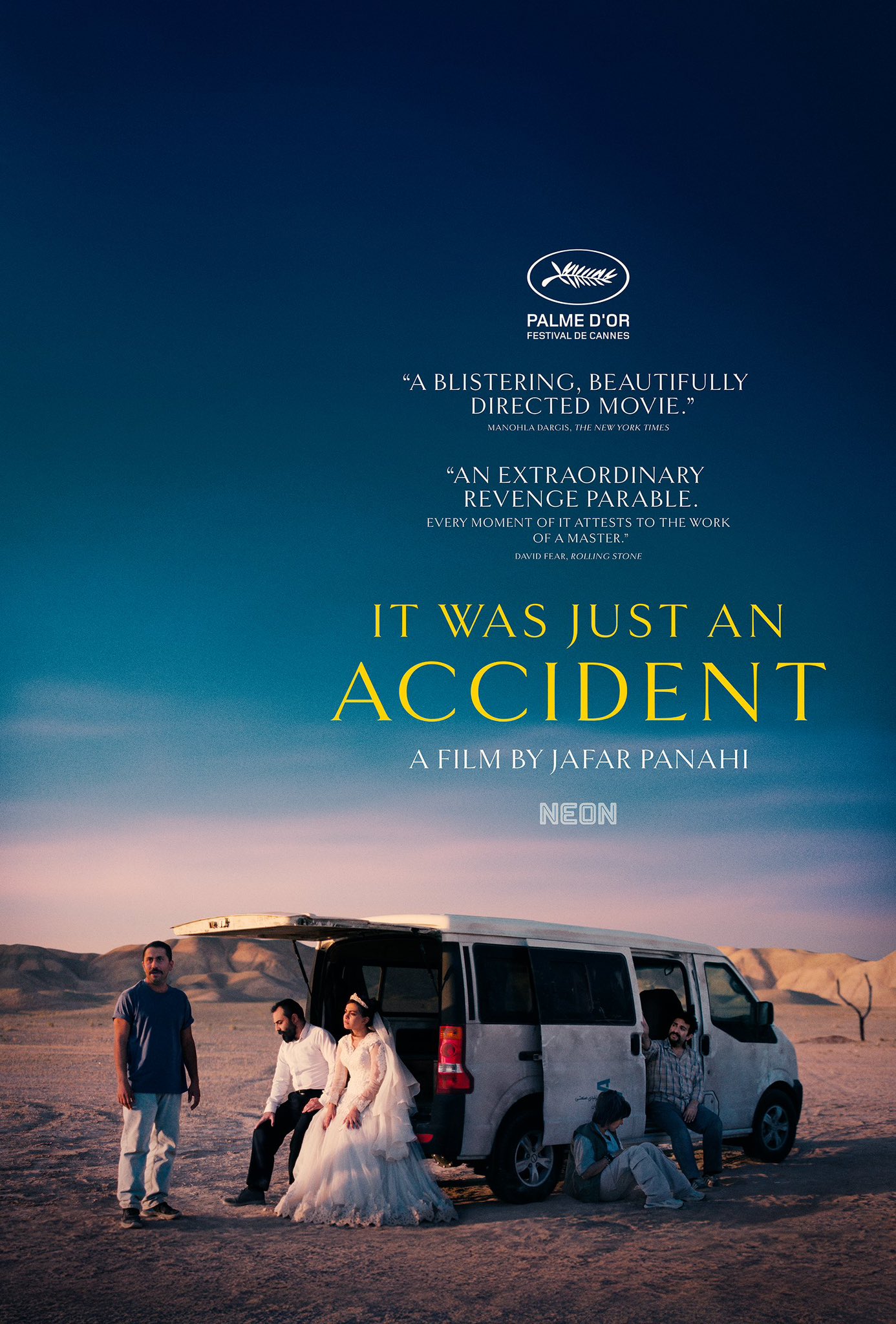
1. It Was Just an Accident (Jafar Panahi)
Jafar Panahi is a filmmaker who, to this point, is arguably better known for his political situation – having on multiple occasions been arrested, imprisoned and banned from filmmaking by the Iranian regime – than for any particular films. This extraordinary film may well change that. While winning the Palme d’Or at Cannes is not always indicative of this, It Was Just an Accident is a more conventional and broadly accessible film than much of his more recent work. Part thriller, part political drama, and with a surprising amount of comedy, it is a film about anger and grief, the pull of revenge and the strength needed to retain your humanity and not let violence beget more violence. The last half hour features an amazing extended take in which the complexity of these emotions just spills out. And yet it finds humour in its situation, something that seemingly could only be achieved by a filmmaker with Panahi’s life experience. It was a film that really built on me as it went and continued to long after it finished.
The Next Best (alphabetical):
- The Ballad of Wallis Island (James Griffiths)
- Black Bag (Steven Soderbergh)
- The Brutalist (Brady Corbet)
- Emilia Perez (Jacques Audiard)
- The Golden Spurtle (Constantine Costi)
- The Phoenician Scheme (Wes Anderson)
- Superman (James Gunn)
- Tinā (Miki Magasiva)
- Train Dreams (Clint Bentley)
- Twinless (James Sweeney)
 Doctor of Movies
You must be logged in to post a comment.