
Doctor of Movies’ Top Ten of 2023
2023 was a fascinating year to be an observer of the film industry. With the pandemic in the rearview mirror, there was a new normal to be established. Through extended strike action, we saw the writers and actors guilds win important protections not just against the coming influence of A.I., but the industry’s economic shift toward streaming rather than theatrical release as its focal point. We saw the once great studio Warner Brothers further destroy its reputation by continuing to shelve already completed films for tax write-offs. We saw Marvel Studios stumble for the first time, seemingly having over-saturated and exhausted their audience. And while big I.P. franchise pieces from DC, Marvel, Pixar and Disney failed to meet expectations, the Barbenheimer phenomenon created a level of broad excitement about going to the movies that hadn’t been seen for a decade. Depending on how the industry responds to all of the above, it could end up being an historically significant year.
This year my film reviewing transitioned to shorter reviews on Instagram and Letterboxd. The shorter form was probably for the best as I watched a lot of movies. In all I saw 378 films this year, making it the first time that I have crossed the one film per day mark. That 378 included 93 new releases. Of those new releases, here are my picks for the best of them…
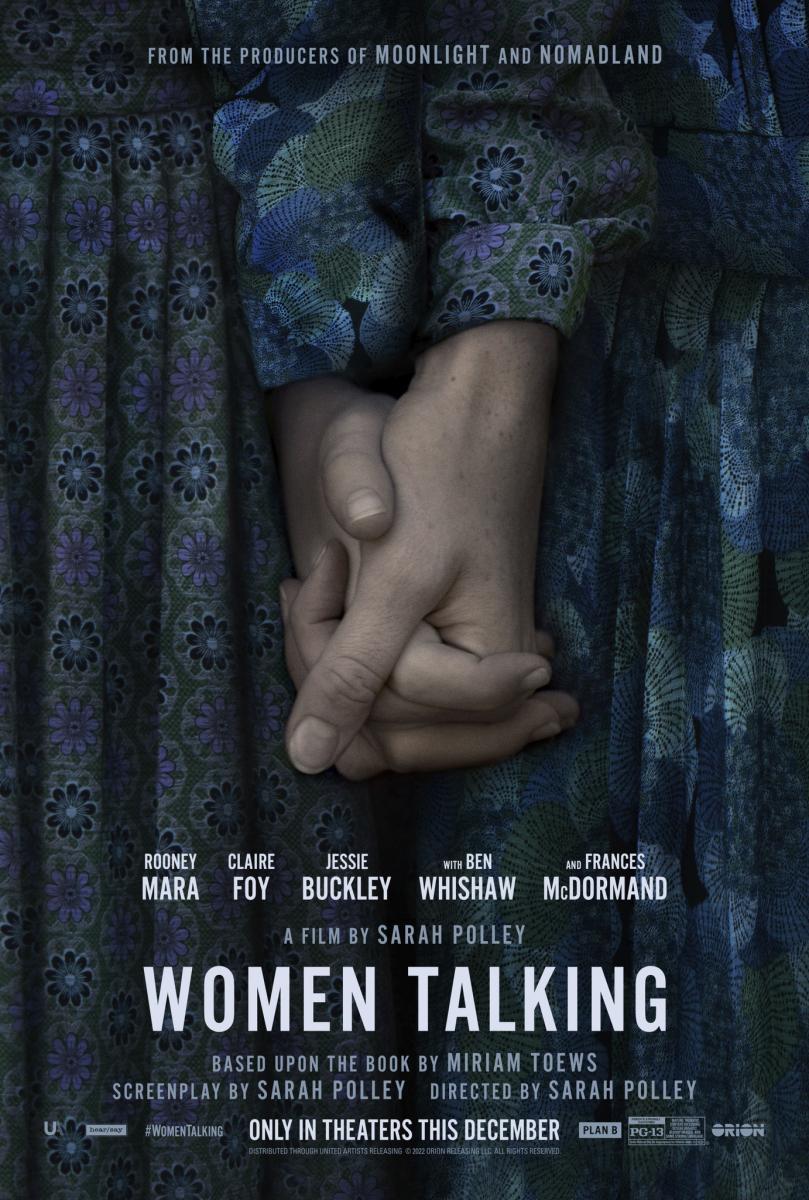
10. Women Talking (Sarah Polley)
While you’d have to assume at least one marketing person questioned the choice of title, Sarah Polley’s drama delivers what is promised. Focusing on the women of a Mennonite-like community deciding whether to forgive or abandon the men who have been assaulting them, a decision that could see them banished from the community and, some believe, the kingdom of heaven, Polley gives time to discussion and debate in a way that proves to be really engaging. Brilliant performances from its powerhouse cast and an Oscar winning screenplay from Polley find depth and complexity of character in the wrestle.
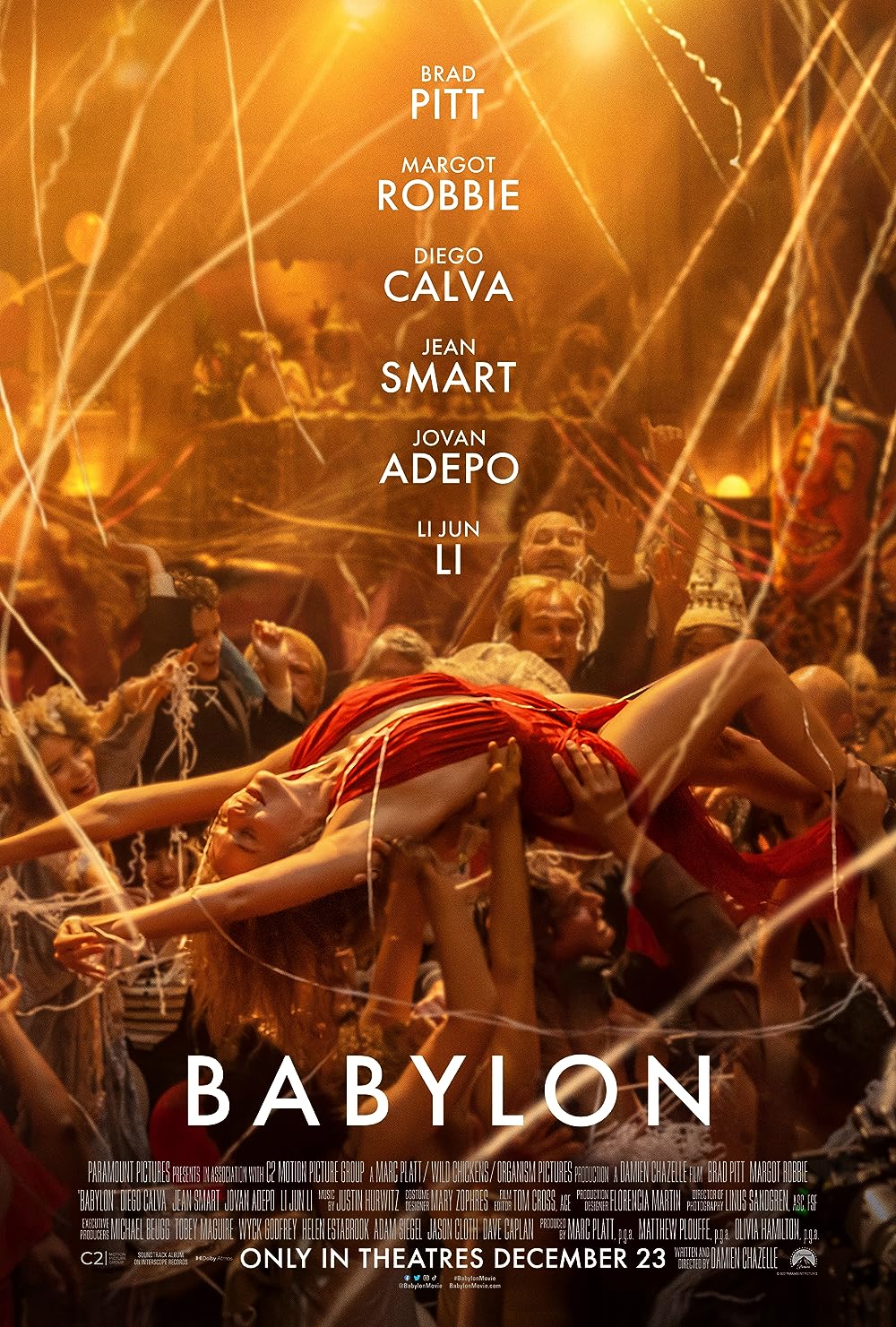
9. Babylon (Damien Chazelle)
I am happy to accept that I am on an island with this one. A lot of people did not like Babylon – like really did not like it – but I had a ball with it. It has this delirious, manic energy that carries you through its admittedly generous three-hour runtime. While it draws heavily on Singin’ in the Rain, it trades the well trodden ‘magic of the movies’ schtick for a focus on the debauchery and excess of the early, burgeoning Hollywood industry. It takes some big swings and they don’t always work but I loved it all the more for that sheer crazy ambition.
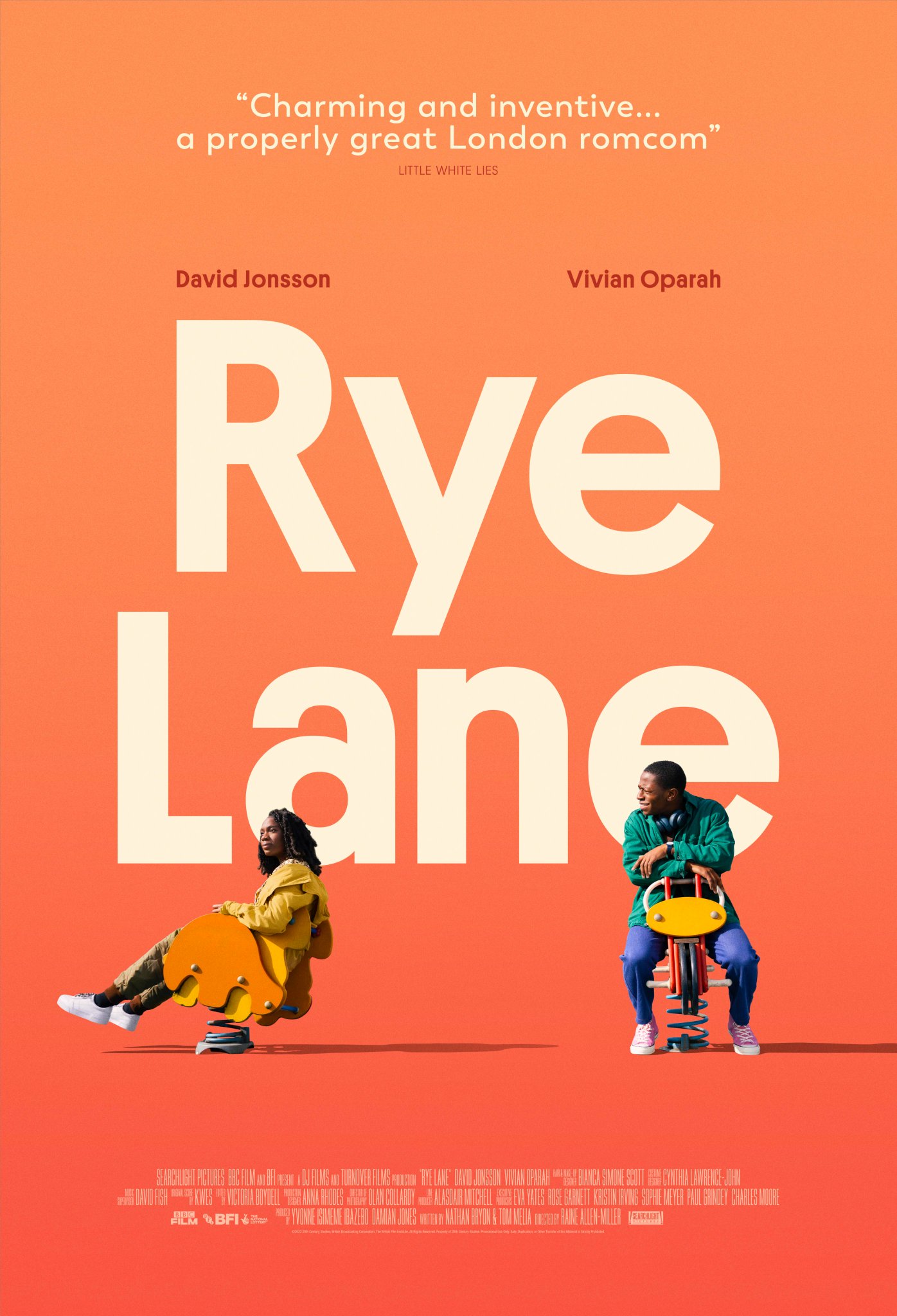
8. Rye Lane (Raine Allen-Miller)
I don’t think this indie romantic comedy from Britain received a theatrical release in Australia but having heard rave reviews of it on a podcast I was able to catch it on Disney+. A small film with a tremendous sense of place, Rye Lane follows two people who have just met as they walk the streets of Peckham getting to know each other and unpacking their breakup baggage. Really likeable performances, funny scenarios, and a Colin Firth cameo that is my favourite of the year aside, what really stood out for mine was a visual inventiveness that is not common in romantic comedies.
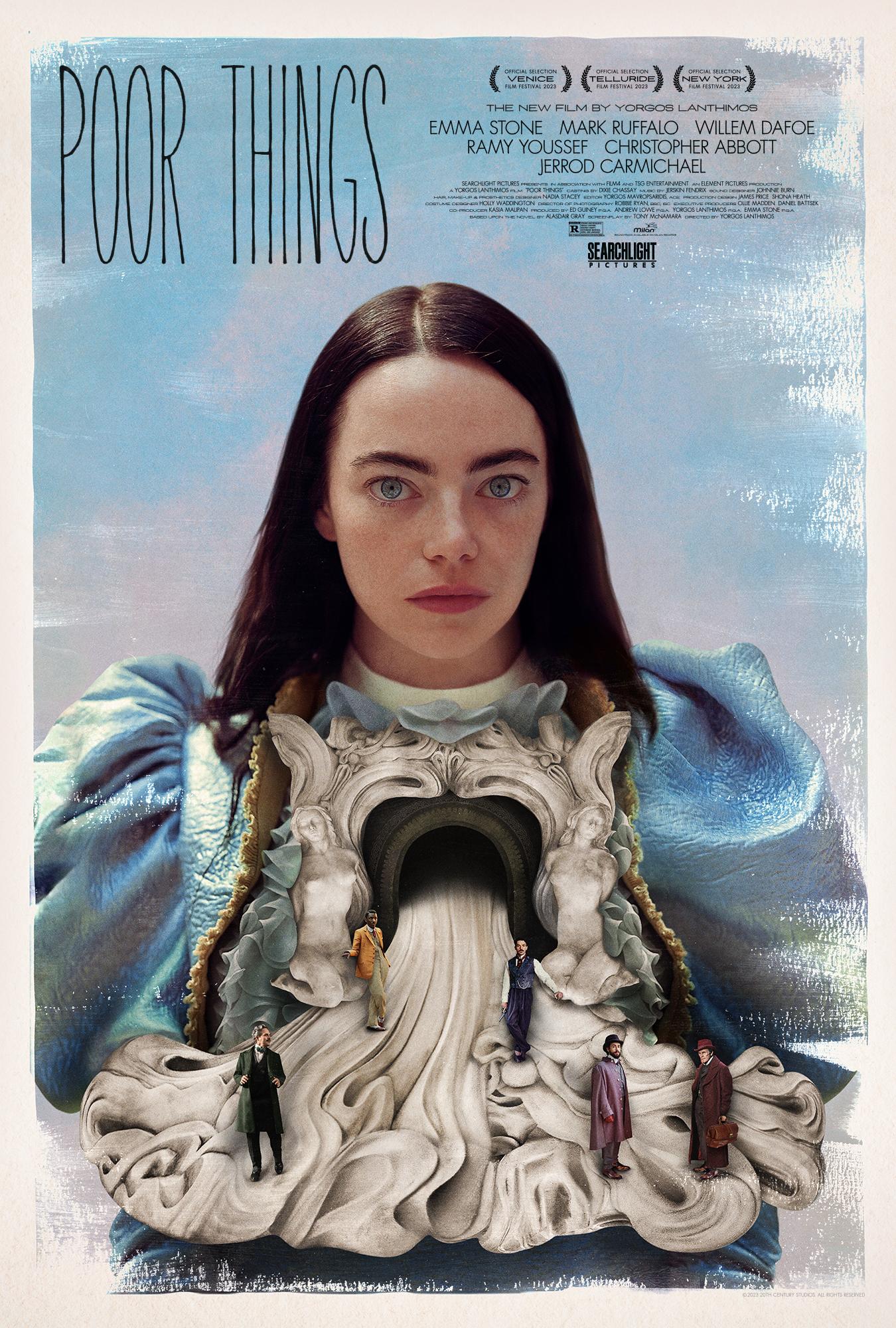
7. Poor Things (Yorgos Lanthimos)
With Poor Things Greek director Yorgos Lanthimos delivers a take on Frankenstein that is equal parts curious, uncomfortable and hilarious. With his innocent creature, Bella (played brilliantly by Emma Stone), being female, rather than people fearing her they seek to take advantage of her. Her quest for knowledge, experience and sexual discovery is a journey towards agency and self-certainty that overturns those power-relationships.With its Boxing Day release, I just snuck this one in before the finish line so haven’t had the chance to completely process it, but I know I am going to be thinking about this one for a while. Glorious production design from Shona Heath and James Price.
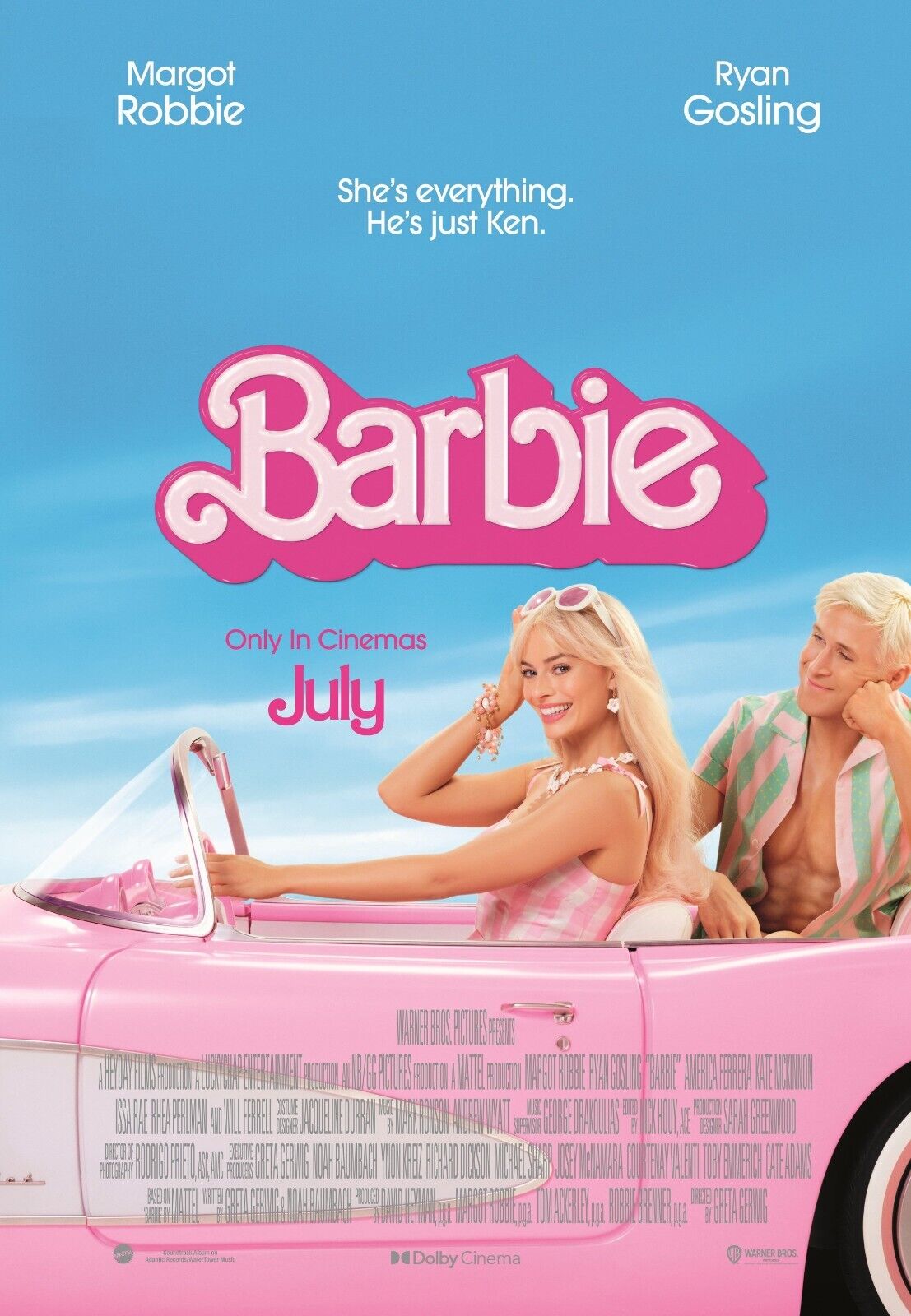
6. Barbie (Greta Gerwig)
Now three from three as a director, Greta Gerwig managed to transcend the limitations of a “film based on a toy” to deliver a knowing piece of social satire that undoubtedly became the pop culture phenomenon of the year. It walks a really clever line between celebrating the intentions of Barbie as an inspirational toy for girls while acknowledging the way she has become yet another impossible standard, while its takedown of patriarchy is executed in such a way that it clearly speaks against any disempowering on the basis of gender rather than ‘man-hating’ (not that it stopped a group of people who likely didn’t see the movie of accusing it of such). In becoming the highest grossing film of the year (US$1.4 billion worldwide), it also thumbed its nose at ‘industry logic’ that sees films targeted at women as niche. The question is, will the industry look at the success of Barbie and see that there is a market for intelligent films made by and for women, or will it prefer ‘people like movies based on toys’?
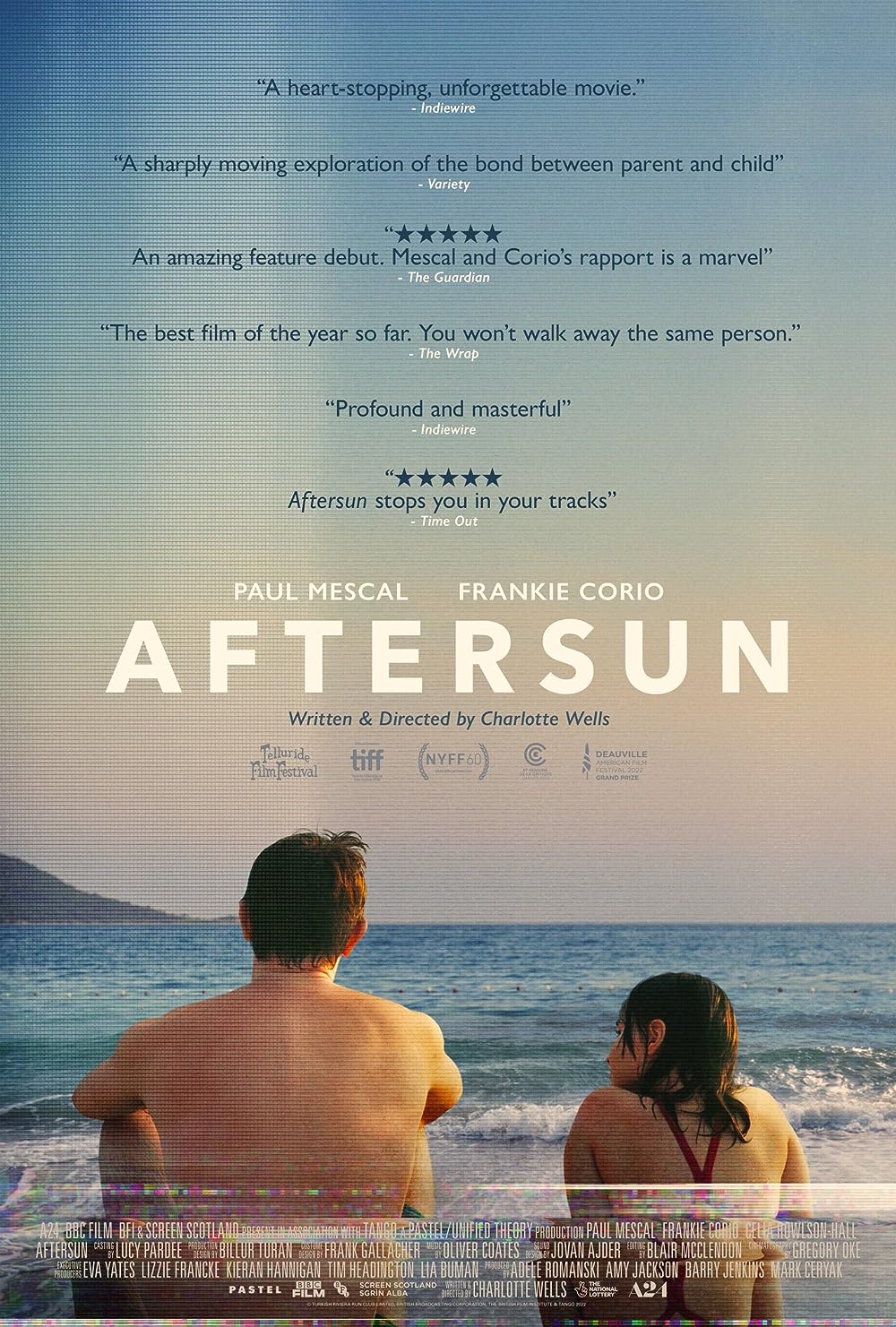
5. Aftersun (Charlotte Wells)
An outstanding small drama about an 11-year-old girl on holidays with her relatively young father, played brilliantly by Paul Mescal. Wells carefully balances perspective so you align with both daughter and father at different times, meaning that your palpable parental concern for her is pierced every now and then by realisations of his experience. The real brilliance of Aftersun, however, lies in what it chooses not to tell us. Through its general, pervading sense of melancholy it offers hints but never makes anything explicit, ultimately leaving you to make assumptions and draw conclusions about what has and will happen.
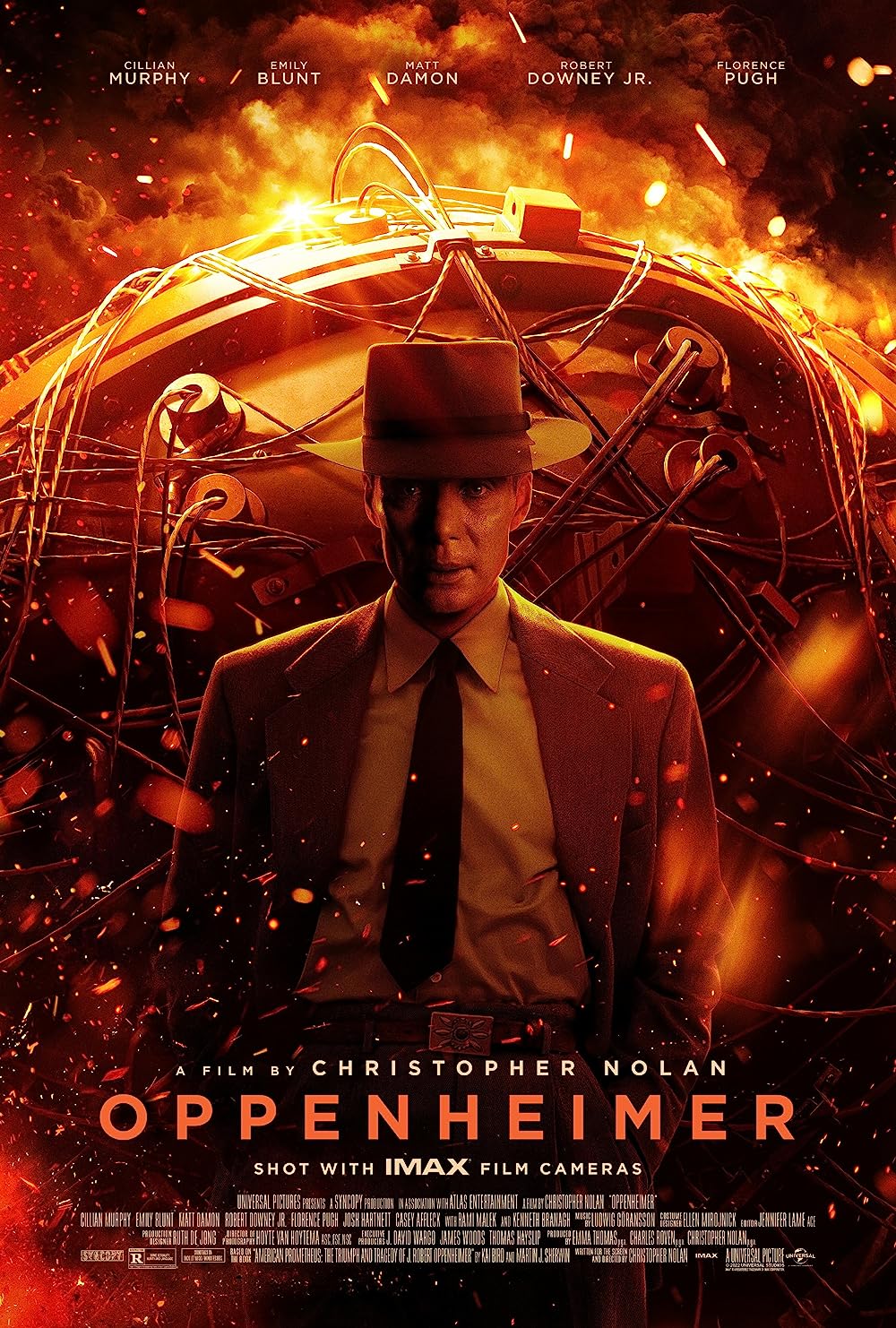
4. Oppenheimer (Christopher Nolan)
Having been indifferent to the last few films from Christopher Nolan (Tenet, Dunkirk, Interstellar), Oppenheimer won me back. With tremendous filmmaking craft on display across all departments, Oppenheimer brings nuance to its story, engaging with the Manhattan project from a number of different angles: as an exciting intellectual exercise, as an historical imperative, as an ethical conundrum, as a political manoeuvre and as an interpersonal rivalry. While its impressive box office performance (US$952 million worldwide) was undoubtedly helped by being swept up in the Barbenheimer phenomenon, it was none the less cool to see a three-hour, historical drama hauling it in at the box office in a way that studio decision-makers insist isn’t possible for anything other than I.P. driven blockbusters.
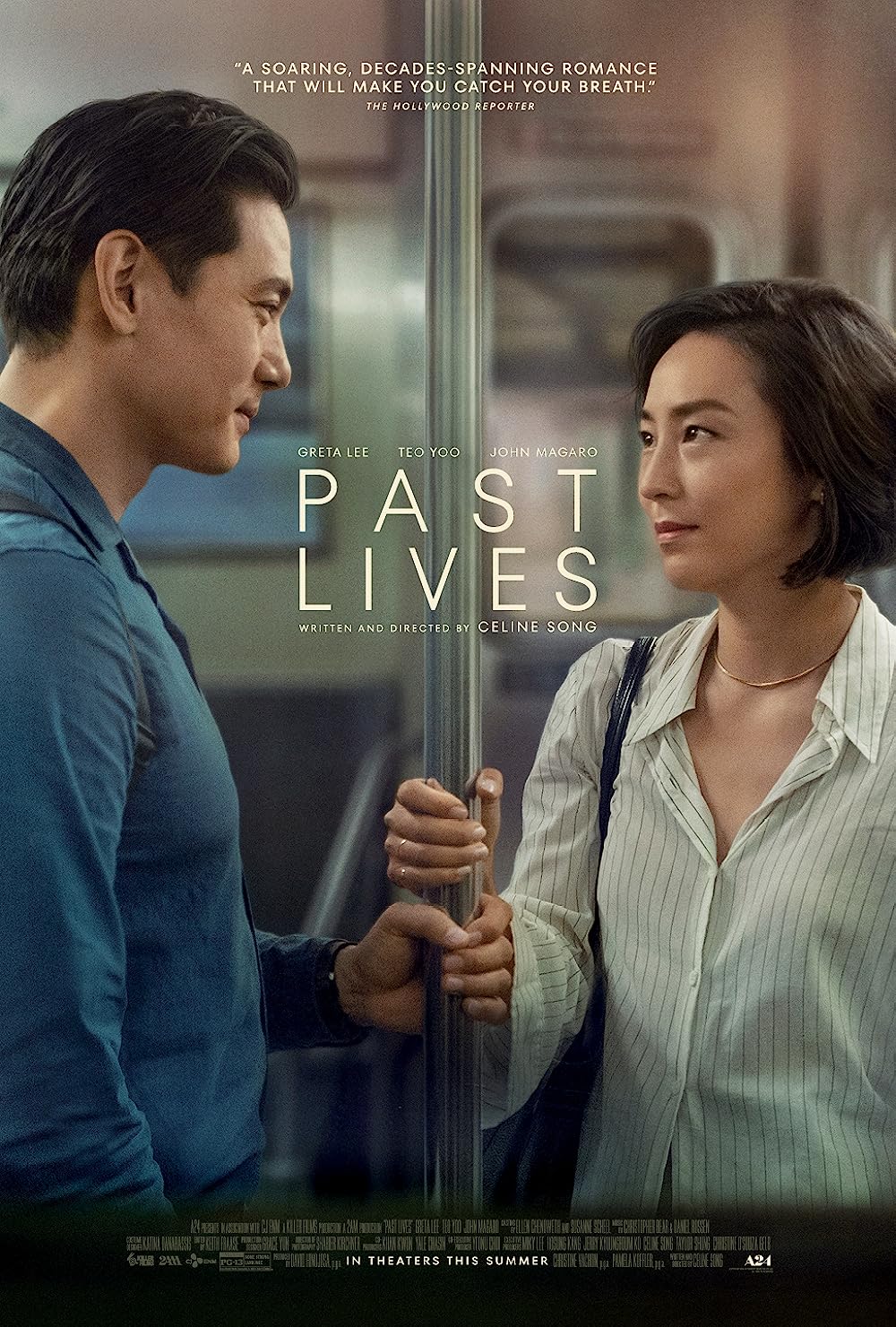
3. Past Lives (Celine Song)
Sometimes the best love stories are the ones about the couples that don’t end up together. Past Lives is a beautiful, emotionally complex film that explores our relationships with the people of our past who exist as memories, as paths not taken. It ruminates on the idea of true love, the circumstances that dictate who we end up with, and the connections that seem to transcend those circumstances. Wonderfully performed by the central trio of Greta Lee, Teo Yoo and John Magaro with each character having their own distinct experience of this scenario and each being as fleshed out and engrossing as the others. A beautiful film.
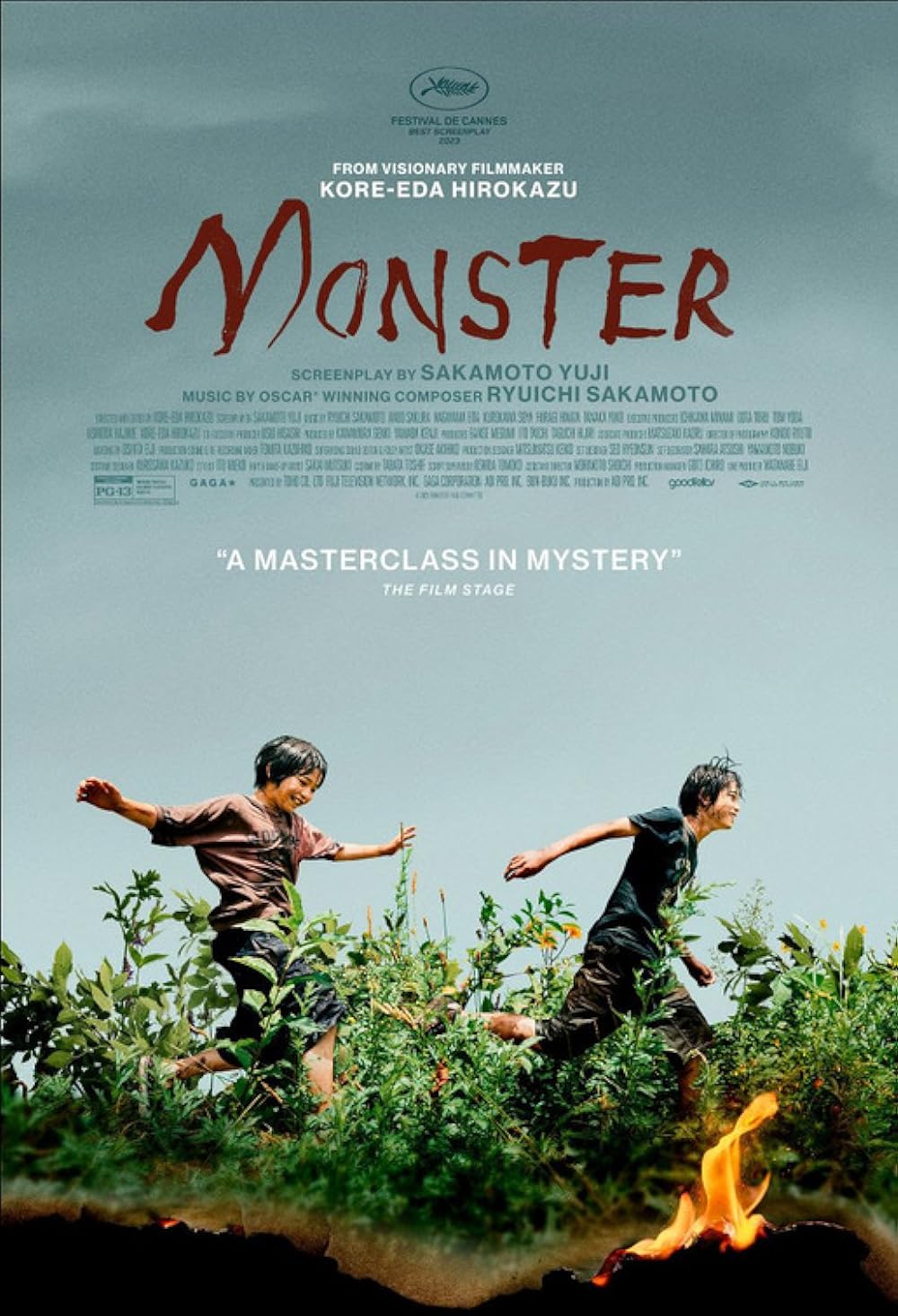
2. Monster (Hirokazu Kore-eda)
Monster was the highlight of this year’s Sydney Film Festival for me, and in a year that featured both Godzilla Minus One and The Boy and the Heron, it managed to be my favourite Japanese film of the year. I came into it this completely blind and it immersed and overwhelmed me. Starting out as what appears to be a domestic mystery/drama about a young boy who is seemingly being bullied by his teacher, Kore-eda’s film recreates itself before your eyes, ultimately becoming something gently intimate. Playing with point of view, it retreads the central narrative three times, each time from a different perspective, with each changing our understanding of what we have experienced.
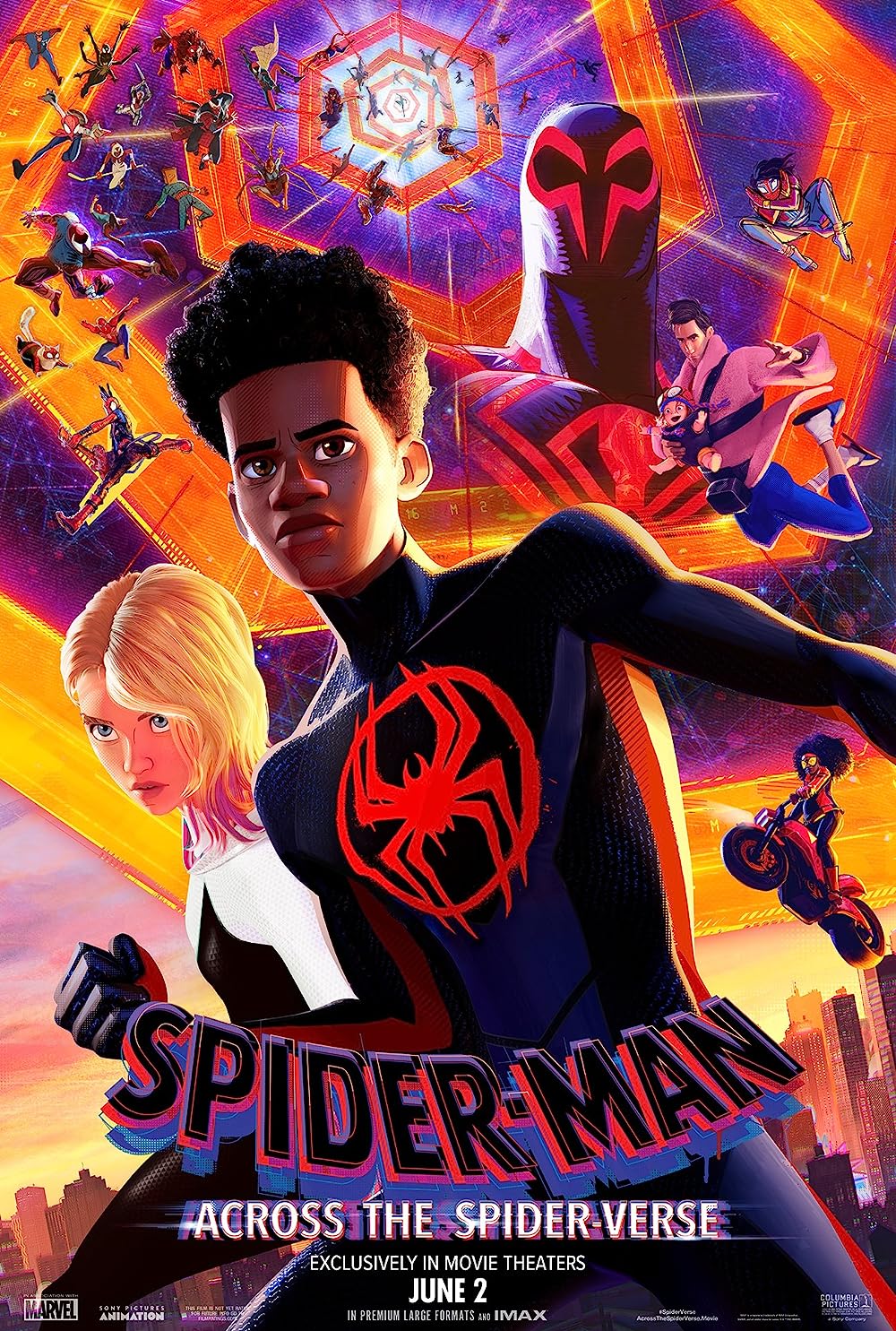
1. Spider-Man: Across the Spider-Verse (Joaquim Dos Santos, Kemp Powers & Justin K. Thompson)
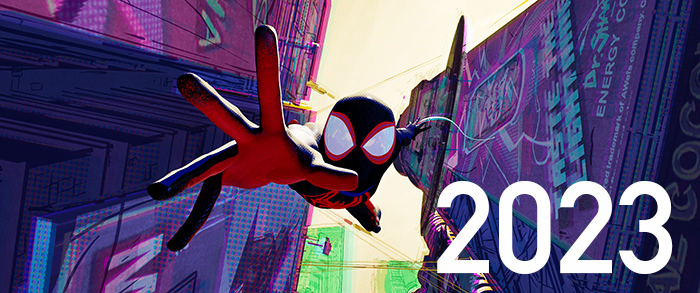
Yes, it is a sequel and yes, it is a ‘Part I’ which means it doesn’t have complete narrative resolution, but the fact remains that nothing thrilled me with its creativity and flair this year the way Across the Spider-Verse did. The first film had been so audacious in its visual style, breaking out of the sameness that had settled over much mainstream animation since the emergence of Pixar, that I had doubted the capacity of a sequel to deliver that same fresh experience. But Across the Spider-Verse managed to do so and then some, extending its imagination from animation style to its world creation, delivering a substantially more imaginative and satisfying depiction of a multiverse than had been managed by Marvel in Doctor Strange and the Multiverse of Madness or Warner Bros in The Flash. At times it is straight up formalist filmmaking, abandoning representational realism in favour of an expressionistic style. When I got to the gorgeous scene in which Gwen and her father reconnect (see it here), I just couldn’t believe what I was seeing in a packed multiplex theatre.
The Next Best (alphabetical):
- Birdeater (Jack Clark & Jim Weir)
- The Boy and the Heron (Hayao Miyazaki)
- The Fabelmans (Steven Spielberg)
- Godzilla Minus One (Takashi Yamazaki)
- How to Blow Up a Pipeline (Daniel Goldhaber)
- The Killer (David Fincher)
- Killers of the Flower Moon (Martin Scorsese)
- Nimona (Nick Bruno & Troy Quane)
- Tár (Todd Field)
- The Wonderful Story of Henry Sugar (Wes Anderson)
For those who are interested in the stuff I didn’t like, you can find my full ranking of all 93 new films I watched this year here.


You must be logged in to post a comment.